issue Inequality & Mobility

Equitable Growth supports research and policy analysis on how trends in economic inequality and mobility and changes in the economy have affected the concentration of wealth, income, and earnings, and how these distributional shifts have affected the promise of economic security and opportunity.

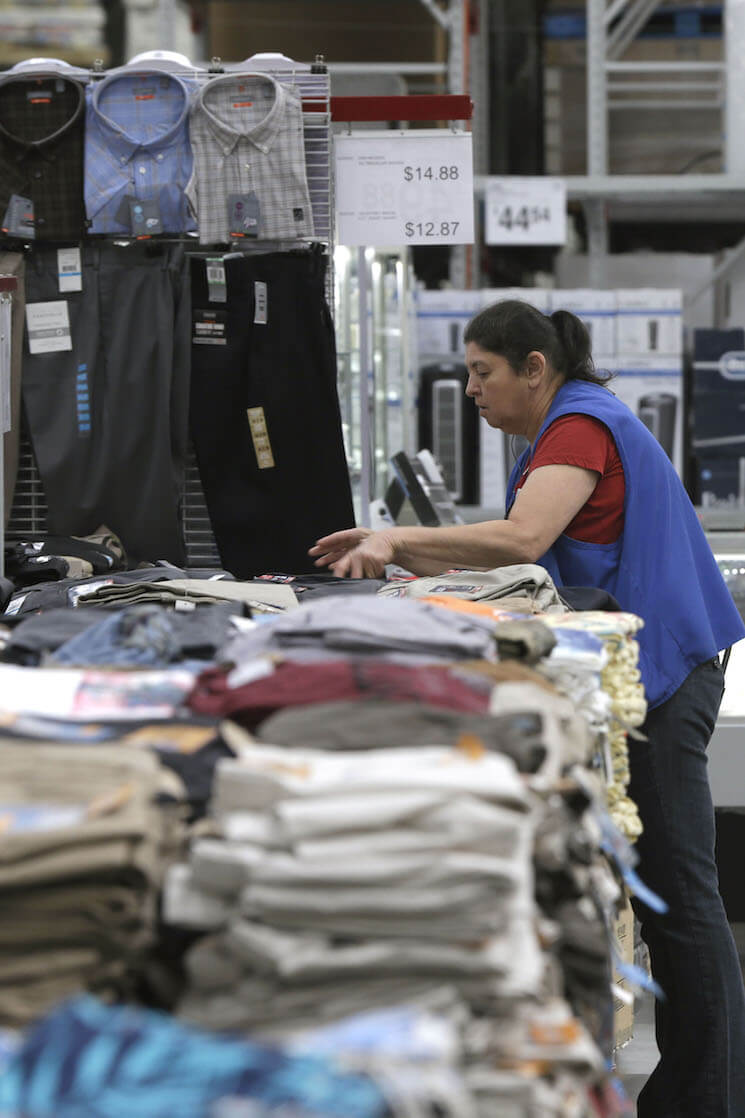
Photo credit: Monster Ztudio/shutterstock.com

During the mid-20th century, strong economic growth was broadly shared, as incomes increased and children could expect a better quality of life than their parents, though significant disparities across demographic groups remained. In recent decades, wealth, income, and earnings inequality have been rising and mobility declining, and demographic disparities persist. Better understanding these trends and their implications for economic growth will inform evidence-backed policies that improve growth and mobility for people across incomes, regions, and demographic groups.

Featured Research

post

Why the Iran war is bad for U.S. economic growth

Inequality & Mobility
post

Federal policymakers can ensure Trump accounts do not exacerbate inequality in the United States

Inequality & MobilityFamilies
The Rise of Populism

Research-based perspectives on the connection between economic policy and rising support for authoritarian populism

Inequality & Mobility
post

Analyzing recent U.S. economic policies using Equitable Growth’s Inequality Tracker

Inequality & Mobility
post

Factsheet: U.S. economic mobility and policies to increase upward mobility

Inequality & MobilityTax & Macroeconomics
post

Six charts that explain how inequality in the United States changed over the past 20 years

Inequality & Mobility
TOPICS: 1
TOPICS: GDP 2.0

Explore Content in Inequality & Mobility2796

Reset
working paper

Electoral institutions and electoral cycles in foreign direct investment

Tax & MacroeconomicsInequality & Mobility
working paper

The decline in lifetime earnings mobility in the U.S.: Evidence from survey-linked administrative data

Inequality & Mobility
post

When it comes to causality, no one technique should have all that power

Inequality & Mobility
TOPICS: 1
TOPICS: GDP 2.0
In Conversation

Equitable Growth in Conversation: An interview with David Card and Alan Krueger

Inequality & MobilityLabor
post

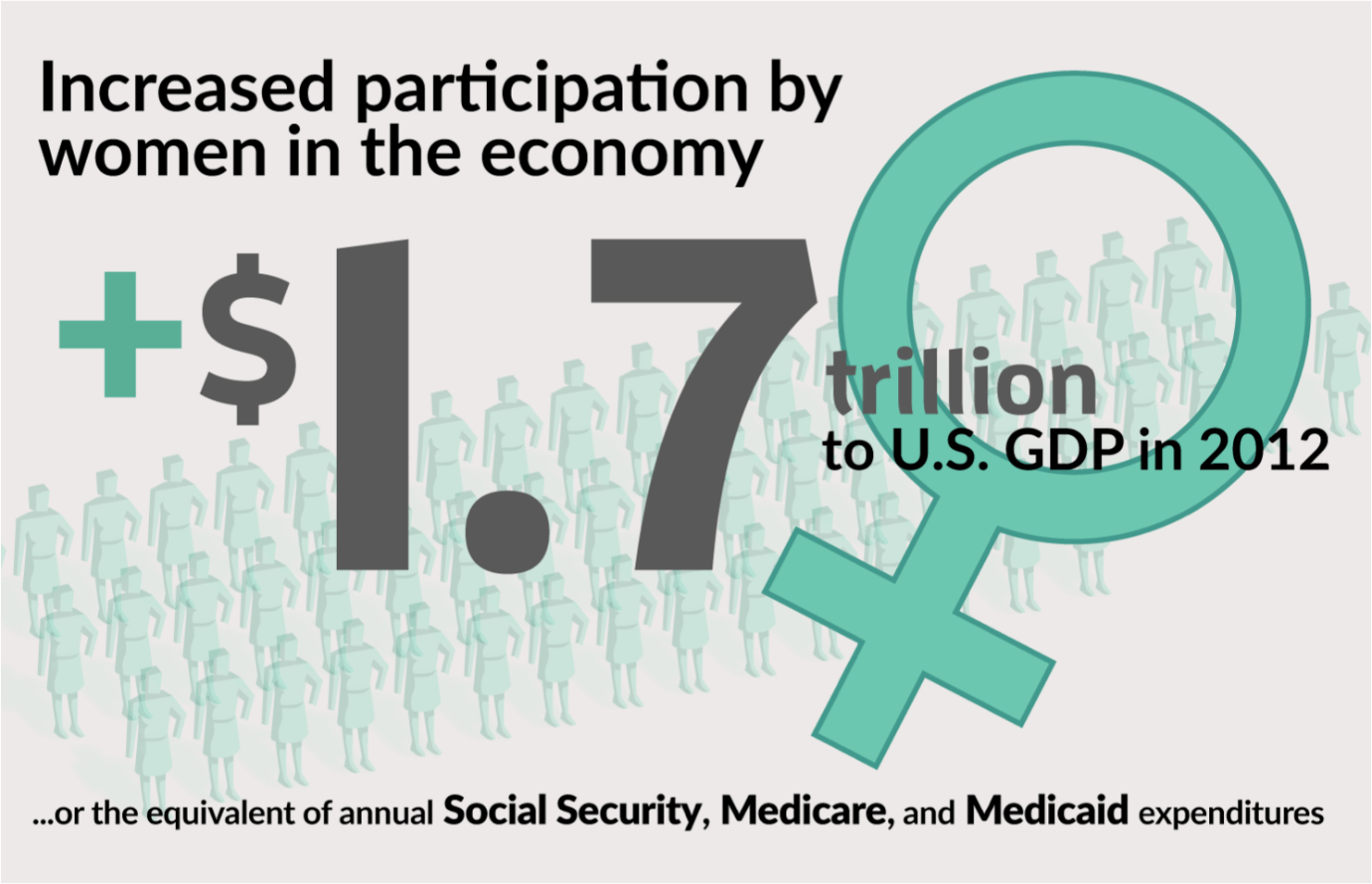
Across races, women bolster family economic security

FamiliesInequality & Mobility
post

You filed your taxes. Congrats, you’re administrative data!

Inequality & Mobility
TOPICS: 1
TOPICS: GDP 2.0
post

The importance of income and place in U.S. life expectancy

Inequality & MobilityFamilies
working paper

Income and earnings mobility in U.S. tax data

Inequality & MobilityTax & Macroeconomics
grant

School-to-work transitions and wage outcomes of Texas populations from colonias and model subdivisions

Inequality & Mobility
grant

Inheriting inequality: Wealth transfers and racial wealth gaps

Inequality & Mobility
grant

The military and incarceration: Hidden mechanisms of racial inequality in the U.S. labor market, 1980-2010

Inequality & Mobility
grant

College and intergenerational mobility: New evidence from administrative data

Inequality & MobilityFamilies

Experts on the issue

Grantee

E. Mark Curtis

Wake Forest University

Learn More
Grantee

Andrew Baker

University of California, Berkeley

Assistant Professor

Learn More
Grantee

Jacob Bastian

Rutgers University

Assistant Professor

Learn More
Grantee

Heather Sarsons

University of Chicago

Learn More
Guest Author

Matto Mildenberger

University of California, Santa Barbara

Learn More
Connect with us!

Explore the Equitable Growth network of experts around the country and get answers to today's most pressing questions!

Get in Touch