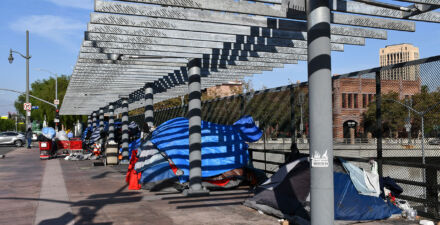
Family income for those at the bottom of the U.S. economic distribution have barely budged over the past several decades, while those at the top have skyrocketed. Twelve percent of Americans live in poverty today, including nearly 10 million children. Equitable Growth is growing the evidence base for how rising inequality affects the economic wellbeing of those at the bottom of the economic ladder in order to support the creation of policies that provide both a safety net and a springboard to opportunity for the most disadvantaged among us.
Featured work

Equitable Growth hosts Econ 101 virtual event on how U.S. social insurance programs boost economic mobility
December 1, 2025
December 1, 2025
Republican reconciliation bill’s cuts to social programs will damage some congressional districts’ local economies
July 11, 2025
July 11, 2025
Improving economic outcomes for single mothers and their children across the United States
April 16, 2025
April 16, 2025
The economic impact of housing insecurity in the United States
December 8, 2022
December 8, 2022
In Conversation with Mark Rank
April 14, 2021
April 14, 2021
We can cut child poverty in the United States in half in 10 years
March 27, 2019
March 27, 2019
Explore Content in Poverty165
The Matching Multiplier and the Amplification of Recessions
April 8, 2020
April 8, 2020
The only thing better than strengthening federal social supports now to prevent a coronavirus recession is strengthening them forever
March 17, 2020
March 17, 2020
Improved public school teaching of racial oppression could enable U.S. society to grasp the roots and effects of racial and economic inequality
February 27, 2020
February 27, 2020
Addressing the need for affordable, high-quality early childhood care and education for all in the United States
February 18, 2020
February 18, 2020
Earnings instability and mobility over our working lives: Improving short- and long-term economic well-being for U.S. workers
February 18, 2020
February 18, 2020
Policies to strengthen our nation’s Supplemental Nutrition Assistance Program
February 18, 2020
February 18, 2020
Race and the lack of intergenerational economic mobility in the United States
February 18, 2020
February 18, 2020
Overcoming social exclusion: Addressing race and criminal justice policy in the United States
February 18, 2020
February 18, 2020
The logistics of a reparations program in the United States
February 18, 2020
February 18, 2020
Promote economic and racial justice: Eliminate student loan debt and establish a right to higher education across the United States
February 18, 2020
February 18, 2020
Encouraging banks to serve the credit needs of everyone
February 3, 2020
February 3, 2020
Explore the Equitable Growth network of experts around the country and get answers to today's most pressing questions!