issue Families

Equitable Growth supports research and policy analysis on how unequal access to care, 21st century work-life policies, and education undermines stable, broad-based economic growth.

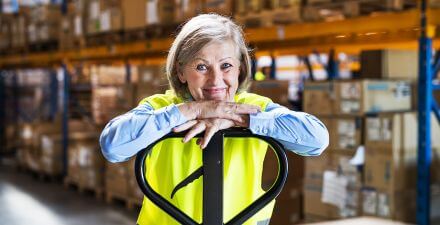
Photo credit: Yuttana Contributor Studio/shutterstock.com

Just as investment in physical capital is an important driver of economic growth, investment in human capital is key to the health of the economy as a whole, as well as family wellbeing. Equitable Growth supports research to better understand how unequal access to supportive environments, quality education, and other human capital development opportunities not only drives unequal outcomes for families but also undermines future economic growth.

Featured Research

report

How does early childhood care and education affect U.S. families and workers, and which policies support child participation and boost the quality of care?

Families
report

A review of the state of child care in the United States

Families
post

Can remote work attenuate mothers’ mobility constraints in the U.S. labor force?

FamiliesInequality & Mobility
post

Why federal food assistance became politically polarizing—and what to do about it

Families
post

Factsheet: What we know about the federal employer-provided child care credit and how can it be better used by businesses

FamiliesTax & Macroeconomics
post

Factsheet: What the research says about the economic impacts of reproductive care

Inequality & MobilityFamiliesLabor

Explore Content in Families1073

Reset
post

Income support programs boost earnings for low-wage workers by reducing household poverty in the United States

FamiliesInequality & MobilityLabor
Equitable Recovery

Coronavirus disruptions in family caregiving highlight the importance of investments in U.S. care infrastructure and paid leave

FamiliesLabor
post

American Sociological Association 2021 conference centered on inequality and structural racism in the U.S. economy and society

Inequality & MobilityFamilies
post

Myths about competition in the global economy harm humanity and our planet

CompetitionLaborFamilies
Equitable Recovery

Weak income support infrastructure harms U.S. workers and their families and constrains economic growth

FamiliesInequality & Mobility
post

NBER Summer Institute 2021 Round-up: Week 3

LaborInequality & MobilityFamilies
post

Excessive heat harms U.S. workers unequally as the safety risks from climate change soar

LaborTax & MacroeconomicsFamilies
working paper

Temperature, workplace safety, and labor market inequality

LaborTax & MacroeconomicsFamilies
post

Climate change among many issues discussed at annual Western Economic Association International conference

Inequality & MobilityFamiliesTax & Macroeconomics
Equitable Recovery

Policymakers should ensure that the U.S. labor market recovery lasts by boosting workers’ bargaining power and strengthening social infrastructure

LaborFamilies
post

The economic benefits of equal opportunity in the United States by ending racial, ethnic, and gender disparities

FamiliesInequality & MobilityTax & Macroeconomics
post

A new report lays out the path forward for faltering U.S. Unemployment Insurance system

FamiliesTax & MacroeconomicsLabor

Book

Finding Time

The Economics of Work-Life Conflict

By Heather Boushey

Read More

Experts on the issue

Grantee

Trevon Logan

Ohio State University

Learn More
Grantee

Jessica H. Brown

University of South Carolina

Learn More
Grantee

Daniel Schneider

Harvard University

Learn More
Grantee

Alexander Hertel-Fernandez

Columbia University

Visiting Fellow

Learn More
Grantee

Jesse Rothstein

University of California, Berkeley

Learn More
Connect with us!

Explore the Equitable Growth network of experts around the country and get answers to today's most pressing questions!

Get in Touch