issue Tax & Macroeconomics

Equitable Growth supports research and policy analysis on how tax and macroeconomic policies can promote stable and broad-based economic growth.

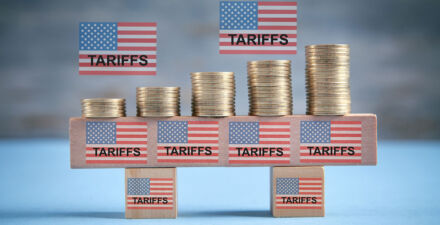
Photo credit: Bjoern Wylezich/shutterstock.com

A strong economy is one that operates at its potential and delivers a high standard of living to the entire population. Monetary, fiscal, and tax policy all play important roles in determining the level and distribution of income, wealth, and other, broader measures of economic wellbeing. Equitable Growth promotes research to improve our understanding of how these policy tools can ensure the economy works for everyone, and reduce the impact of economic downturns.

Featured Research

post

Defining extreme wealth is more complicated than it looks

Inequality & MobilityTax & Macroeconomics
report

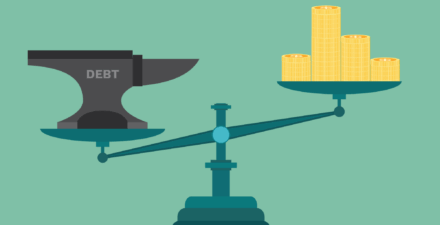
The debt-to-wealth ratio: A missing lens on the U.S. government’s fiscal capacity

Tax & Macroeconomics
In Conversation

In Conversation with Costa Samaras

LaborTax & Macroeconomics
post

Factsheet: Defining top U.S. income and wealth thresholds for tax policy

Inequality & MobilityTax & Macroeconomics
post

What is the relationship between inflation, interest rates, and economic growth, and what does it mean for the new Federal Reserve chair?

LaborInequality & MobilityTax & Macroeconomics
post

Equitable Growth event covers tariffs, tariff uncertainties, and the limits of U.S. trade policy

Tax & Macroeconomics

Explore Content in Tax & Macroeconomics1271

Reset
post

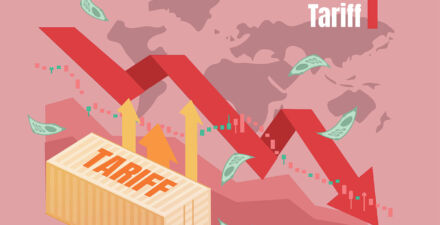
Uncertainty created by ever-changing tariff policies harms U.S. economic growth

Tax & MacroeconomicsInequality & Mobility
post

What impact is artificial intelligence having on the U.S. labor market and the nation’s economy?

LaborCompetitionTax & Macroeconomics
post

Tariff costs impact industries with mostly White, male, and noncitizen workers

Tax & MacroeconomicsFamiliesInequality & Mobility
post

Risks escalate for U.S. retirement plans due to unregulated private credit funds and new rules opening them up to retirement savings accounts

Tax & Macroeconomics
TOPICS: 1
TOPICS: Credit & Debt
post

Equitable Growth supports scholars studying the economics of the energy transition

Tax & MacroeconomicsInequality & MobilityLabor
grant

Quantifying the effects of energy transitions on the U.S. labor market and implications for the Inflation Reduction Act

Tax & MacroeconomicsLabor
grant

How Do Place-Based Policies Affect People? Lessons and Implications for the Inflation Reduction Act

Tax & MacroeconomicsLabor
grant

The Economic Effects of Clean Energy Manufacturing Provisions in the Inflation Reduction Act: Evidence from the Solar Supply Chain

Tax & MacroeconomicsLabor
TOPICS: Climate, Monopsony
grant

IRA Subsides for EVs, Import Tariffs, and Domestic Industry

Tax & MacroeconomicsLabor
The Rise of Populism

How U.S. tax policies have fueled right-wing populism

Inequality & MobilityTax & Macroeconomics
The Rise of Populism

To restore democracy, end shareholder primacy at U.S. corporations and on Wall Street

Inequality & MobilityTax & Macroeconomics
post

The Federal Reserve must maintain its independence for the U.S. economy to thrive

Tax & Macroeconomics
TOPICS: Monetary Policy

Book

Recession Ready

Recession Ready

Edited by Heather Boushey, Ryan Nunn, and Jay Shambaugh

Read More

Experts on the issue

Guest Author

Mark Cooper

Consumer Federation of America

Learn More
Steering Committee

Karen Dynan

Harvard University

Learn More
Grantee

Stephanie Chapman Weishaar

Cornerstone Research

Learn More
Grantee

Gordon Phillips

Dartmouth College

Learn More
Grantee

Christian Moser

Columbia University

Learn More
Connect with us!

Explore the Equitable Growth network of experts around the country and get answers to today's most pressing questions!

Get in Touch