Topic GDP 2.0

Some of our most prominent economic statistics measure change in the total output of the U.S. economy. But this single number approach to economic progress rings hollow with many workers, who wonder why they aren’t seeing prosperity in their own lives. The goal of our GDP 2.0 project is to break down these monolithic numbers and understand how the economy is performing for Americans of different income levels, different regions of the country, and more.

Featured work

post

Analyzing recent U.S. economic policies using Equitable Growth’s Inequality Tracker

Inequality & Mobility
report

Distributional weighting in benefit-cost analysis is practical and effective at assessing government rulemaking without bias against low-income individuals

Inequality & MobilityFamilies
post

Accounting for capital gains in income significantly increases U.S. inequality

Inequality & MobilityTax & Macroeconomics
post

GDP 2.0: Measuring who prospers when the U.S. economy grows

Inequality & Mobility
The Rise of Populism

More accurately measuring economic sentiment will help build a U.S. economy—and democracy—that works for all

Inequality & MobilityFamilies
report

Disaggregating growth
Inequality & Mobility

Explore Content in GDP 2.0213

post

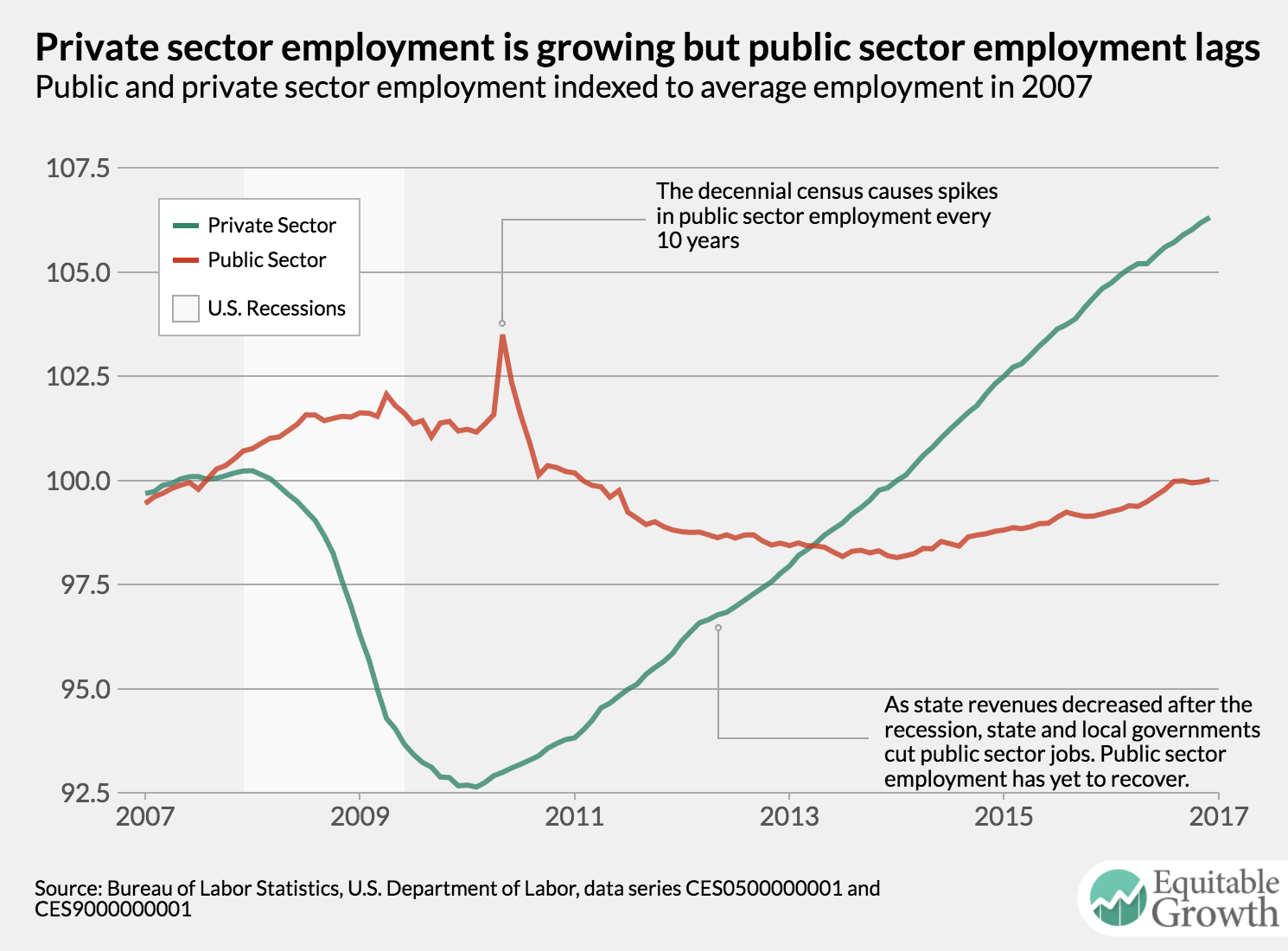
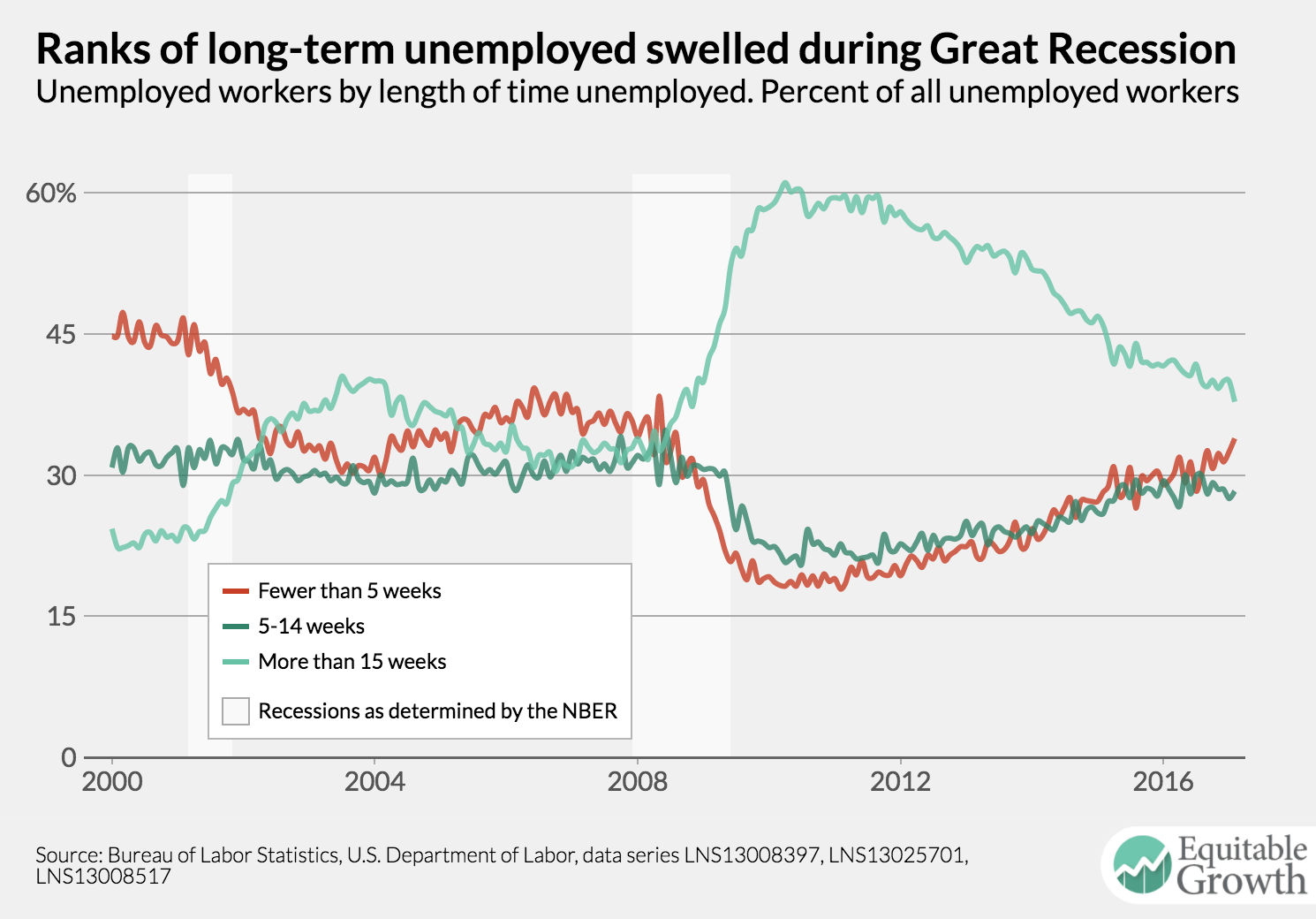
Equitable Growth’s Jobs Day Graphs: February 2017 Report Edition

Inequality & MobilityLabor
TOPICS: 1
TOPICS: GDP 2.0
post

Americans’ feelings about the U.S. economy make sense

Inequality & Mobility
TOPICS: 1
TOPICS: GDP 2.0
post

Modeling the decline in U.S. interest rates

Inequality & MobilityTax & Macroeconomics
TOPICS: 1
TOPICS: GDP 2.0
post

Equitable Growth’s Jobs Day Graphs: January 2017 Report Edition

Inequality & MobilityLabor
TOPICS: 1
TOPICS: GDP 2.0
post

Demographics, robots, and global economic growth

Inequality & MobilityTax & MacroeconomicsLabor
post

When recessions happen, who’s most at risk?

Inequality & MobilityTax & Macroeconomics
post

Equitable Growth’s Jobs Day Graphs: December 2016 Report Edition

Inequality & MobilityLabor
TOPICS: 1
TOPICS: GDP 2.0
post

The importance of equitable growth to absolute mobility in the United States

Inequality & Mobility
post

How tight is the U.S. labor market? And how tight do we want it?

LaborInequality & Mobility
post

Distributional National Accounts and measuring 21st century growth

Inequality & Mobility
post

Economic growth in the United States: A tale of two countries

Inequality & Mobility
working paper

Distributional national accounts: Methods and estimates for the United States

Inequality & Mobility
Connect with us!

Explore the Equitable Growth network of experts around the country and get answers to today's most pressing questions!

Get in Touch