Topic
GDP 2.0
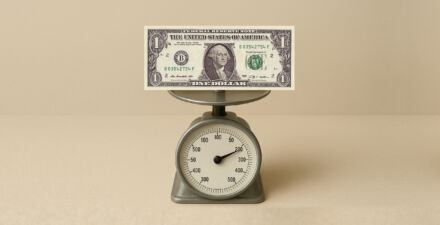
Some of our most prominent economic statistics measure change in the total output of the U.S. economy. But this single number approach to economic progress rings hollow with many workers, who wonder why they aren’t seeing prosperity in their own lives. The goal of our GDP 2.0 project is to break down these monolithic numbers and understand how the economy is performing for Americans of different income levels, different regions of the country, and more.
Featured work




report
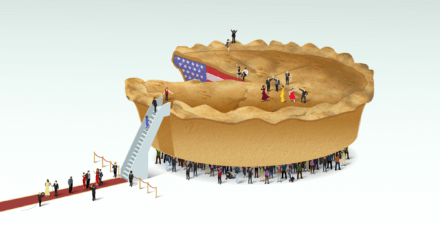
Disaggregating growth


Executive action to spur equitable growth
Executive actions to modernize federal data collection and improve measurements of U.S. economic inequality








Connect with us!
Get in Touch
Explore the Equitable Growth network of experts around the country and get answers to today's most pressing questions!