Staffing shortages, political interference, and a federal government shutdown are all disrupting the routine operations of the nonpartisan federal statistical agencies that reliably gather facts and publish data about the state of the U.S. economy and U.S. labor market. Many in private industry, state and local governments, think tanks, associations, and academics alike are stepping up to support and defend the integrity and importance of federal data. Simultaneously, many people and organizations can and should engage in building data collaborations and datasets that, over time, could lead to even better economic data.
Of course, there can be no replacement for the value created when federal statistical agencies, such as the Bureau of Labor Statistics, follow publicly available standard operating procedures that protect confidential information and produce objective, timely, and accurate data for the public, as required under a bipartisan 2018 law and 2019 rulemaking. Since 1992, the National Academy of Sciences regularly recommends best practices to federal statistical agencies. And, until it was recently disbanded, independent technical experts on a Data Users Advisory Committee routinely met with and advised BLS staff. All other data products, including private ones, benchmark against federal data.
At the same time, the anemic BLS budget has fallen by 22 percent since 2010 in real dollars, despite the need to sustain funding and improve operations. While professional associations of economists and statisticians recommend a 10 percent increase in the 2026 federal budget to support current BLS operations, President Donald Trump’s budget instead recommends an 8 percent cut and further reductions in staff. (Estimates suggest that 20 percent of BLS staff have already left their positions since January 2025, and a third of the agency’s leadership roles are vacant.)
Making reliable data accessible in a timely manner to inform decision-making is foundational for economic growth and equity in the United States. As Jonathan Cohen at the American Academy of Arts and Sciences and political scientist Katherine Cramer at the University of Wisconsin–Madison pointed out earlier this year, the right data are essential for a democracy that depends on an informed citizenry.
If data users do not act, public data can disappear. This column highlights past and present work by many organizations and researchers to protect and preserve labor market data and introduces a new working paper that illustrates a path toward creating more data, knowledge, and value than the status quo allows.
What can be done now to improve U.S. labor market data
In 2020, New York University Wagner School of Public Service professor emeritus Julia Lane authored a manifesto, Democratizing Our Data, laying out a vision for transforming public data by engaging data consumers in the collection of data and the construction of statistics that can be made available to the public. Her vision for community-engaged public data has the potential to cut costs, increase timeliness, create more value, enable more adaptability to different uses, and spark greater innovation through wider participation—all while continuing to protect the essential privacy of data.
Lane’s vision is based on her pioneering experience of first conceiving, and then building, the dataset at the U.S. Census Bureau that links household and employer data, which involved the construction of state-by-state partnerships to link state and federal data sources. She then went on to build the Coleridge Initiative, a secure platform for state and federal data-sharing. Both projects are mentioned in her award citation for the 2025 SOLE Prize for Contributions to Data & Measurement from the Society of Labor Economists.
Thousands of practitioners and researchers rely on the data that she helped assemble and construct. The work involved in building such datasets required her to convince many people across many organizations with few incentives to work on improving the collection and construction of public data, to realize they would all benefit from its existence. Her efforts laid essential groundwork and blazed a trail for data collaborations, such as a new online job-ad data aggregation project with the National Labor Exchange in which I and my co-collaborators are engaged.
In a new Washington Center for Equitable Growth working paper, “Extracting O*NET Features from the NLx Corpus to Build Public Use Aggregate Labor Market Data,” my co-authors Stephen Meisenbacher at the Technical University of Munich, Svetlozar Nestorov at Loyola University Chicago, and I describe the construction of an aggregate dataset of features extracted from online job postings in the United States, covering September 2015 to June 2025. Our project builds on the 2024 unanimous recommendation by the U.S. Department of Labor’s Workforce Information Advisory Council that the U.S. Secretary of Labor invest in timely, localized, and actionable data. Their top recommendation was to strengthen the National Labor Exchange, or NLx.
NLx is the data trustee for our nation’s online job-ad data and is sponsored and maintained by the National Association of State Workforce Agencies and the Direct Employers Association, which includes the nation’s largest private-sector employers. We built our dataset from more than 155 million job posts collected by the NLx Research Hub, a nonprofit partnership whose mission is to “provide the most accurate and comprehensive collection of real, online job openings at no additional cost to state workforce agencies and employers.”
Our dataset follows the O*NET taxonomy for understanding work used by many researchers and practitioners. In our dataset, there is far more data aligned with standard classifications for understanding the U.S. labor market than any other dataset currently available.
Importantly, NLx data-use agreements and provisions protect sensitive and disaggregated information. The natural language processing tools we developed to extract standard O*NET features from job ads are hosted publicly on the code-sharing platform Github and the AI community platform Hugging Face, both of which permit others to test and adopt this software, which we make available freely for noncommercial uses. Aggregate data at the occupation, industry, and geographic levels can and will be released publicly after peer review and publication.
NLx’s own data products include JOE, a soon-to-be-launched publicly available Job Opening Estimator, where users can find a prediction of the BLS monthly Job Openings and Labor Turnover Survey a month earlier than the official release, based on the historically tight correlation between benchmark JOLTS data and NLx data. Then, there’s the NLx On Demand platform, which enables users to access aggregate online jobs-ad data. A team using NLx data also has developed a skills extraction tool at the Leveraging AI for Skills Extraction & Research, or LAiSER, project at George Washington University’s Institute for Public Policy and is working with partners across the country to analyze employer demand. These are just some of the many projects in this vibrant national ecosystem of workforce development professionals at the state and local level and private-sector and academic collaborators.
Small, agile teams dedicated to data collection and the production of aggregated statistics can have an impact. The NLx Research Hub, and successor work being done with it, emerged from the work of a small team at the National Association of State Workforce Agencies, or NASWA. A doctoral student at George Washington University, Emma Northcott, first suggested applying for the National Science Foundation and Gates Foundation investments that now make it possible for researchers to access high-quality NLx data through the Research Hub.
Since 2007, NASWA leaders have continuously and incrementally stewarded the work of archiving online job ads from the national distribution pipeline of labor market information clearinghouses first envisioned in the 1933 Wagner-Peyser Act to facilitate efficient labor market matching. The NLx model is still in early days and has demonstrated success in a short period of time—and it can endure with the support of practitioners and academic researchers.
Indeed, the NLx partnership with the Direct Employers Association was just renewed until 2037. NLx has suggestions for private employers, state and local government agencies, analysts and researchers, and others to get involved in supporting accurate data collection and additional uses of these data.
Changes are needed to protect and improve federal data collection
Everyone who aspires to produce useful public data stands on the shoulders of giants and should have gratitude for the many contributions that create the world-class public data products in the United States today. Sustained investment in federal statistical agencies are necessary, but so are changes to reduce the cost, increase the speed of change, and adapt to users’ evolving needs through a different way of working.
Federal statistical agencies also recognize a need for change. One challenge to federal data collection is that survey responses have declined, especially in the wake of the COVID-19 pandemic. Recent posts from U.S. Census Bureau interim director Ron Jarmin outline major efforts to incorporate real-time feeds of data from outside providers and improve data collection on the business ecosystem. Even so, as the information scientists Christine L. Borgman at the University of California, Los Angeles and Philip E. Bourne at the University of Virginia have written, “it takes a village to manage and share data” in work that describes how commons approaches are needed to build sustainable systems.
Funders, including the federal government, could support community-engaged co-production of public data. Seed investments in projects, such as the NLx, are needed to collect data and establish infrastructure that protects privacy and enables an ecosystem of interested users to access data and build aggregate statistics that inform the public and create more value for users.
Academic institutions and journals could publish and reward risk-taking efforts to develop the software and demonstration projects of public data that engage a relevant community. Educational institutions should recognize where the demand is: In her manifesto, NYU’s Lane also outlines the need for a trained workforce capable of building and working in data collaborations that will be necessary for this work. Faculty can involve students in the work.
Nothing can replace the value of federal statistics. A fully funded, nonpartisan, independent Bureau of Labor Statistics and Census Bureau are essential. At the same time, public data that are taken for granted can disappear. One major case in point: The entire history of online job ads from the early internet through 2007 was destroyed when federal funding to support America’s Job Bank ended.
Picking up the pieces after a demolition is hard. Online job ad data prior to 2015 remains patchy. Near- and medium-term efforts from an engaged user community can partially fill gaps and make progress. In the long run, these efforts could be combined with, expand, and complement the unique capabilities of our nation’s vital federal statistical agencies.
Did you find this content informative and engaging? Get updates and stay in tune with U.S. economic inequality and growth!
When the COVID-19 pandemic swept across the United States in early 2020, it didn’t just bring about a public health emergency. It also exposed a longstanding weakness in the U.S. labor market—that many workers lack access to paid leave.
In April 2020, U.S. unemployment surged to its highest level in more than 75 years, leaving millions of families vulnerable to lost income as they faced a nationwide economic shutdown. Without paid leave, workers who were not laid off faced a stark choice: Show up sick or stay home and lose income on which they depended.
To help Americans manage the shock of the pandemic, Congress passed the Families First Coronavirus Response Act in March 2020. It created the first federal paid leave mandate, albeit only temporary and not for everyone. Importantly, the program targeted the workers most vulnerable to gaps in paid leave coverage: employees at smaller firms and in jobs that could not be done from home.
But did it work?
In a recently published article supported by the Washington Center for Equitable Growth, we dig into this question. Our study is the first to leverage individual employment data to study whether the Families First Coronavirus Response Act successfully expanded access to paid leave when families needed it most.
Our findings point to a clear conclusion: FFCRA paid leave benefits protected workers against the shocks of the COVID-19 pandemic—especially parents of young children—and helped fill a longstanding gap in U.S. social infrastructure at a time when it was needed most. Notably, these lessons extend beyond the COVID-19 pandemic and subsequent recession, offering a blueprint for how federal policy can prepare for the next crisis and support working families in the meantime.
Unequal and inadequate paid leave is the norm across the United States
Before the COVID-19 pandemic, we estimate that just 1 in 5 private-sector workers in the United States had any access to paid family and medical leave and 1 in 4 did not have access to paid sick leave. Those without access to paid leave disproportionately worked in smaller firms and in lower-paying jobs—making them already more exposed to the effects of economic or public health crises due to the nature of their occupations and their employers’ vulnerability to economic downturns.
Even among workers who did have access to paid leave, we find that the benefits often fell short of real needs. For example, just 17 percent of private-sector workers had access to 2 weeks of paid sick leave—the timeframe recommended for quarantine if exposed to COVID-19 at the start of the pandemic in 2020. In smaller firms, that number was just 10 percent, and many workers receive far fewer days.
When the pandemic hit the United States in March 2020, forcing an economywide shutdown, workers at small firms and in-person jobs faced the greatest strain from the health and subsequent economic crises, in part due to the longstanding gap in access to paid leave. This inequity meant that these same workers were also the least equipped to absorb the effects of the emergencies.
FFCRA-expanded paid leave in the U.S. economy
The FFCRA emergency paid leave program, effective April 1, 2020 until the end of that year, created two temporary benefits:
Emergency paid sick leave: Up to 2 weeks of fully paid leave for workers who had COVID-19 symptoms, were quarantining, or caring for sick family members
Emergency paid family leave: Up to 10 weeks of partially paid leave—at two-thirds of regular wages, subject to a cap—for parents caring for children whose school, place of care, or care provider was closed
By design, these benefits were targeted to those workers who were most likely to lack access to paid leave and whose employment was the most likely to be disrupted by the pandemic. The program was available to workers who had been employed for at least 30 days at firms with fewer than 500 employees. Workers able to telework were excluded from eligibility.
Typically, paid leave benefits are financed through a small payroll tax, which is paid for by employers and employees alike. Yet to ensure that employers were not burdened by the costs of the FFCRA leave programs, the federal government fully reimbursed replacement wages through a refundable payroll tax credit. This funding model is notably unprecedented and reflected the emergency nature of the policy.
Unfortunately, awareness of and participation in the program was low. Surveys at the time suggested that fewer than half of eligible firms and workers knew about or used the benefit. As such, emergency paid leave might have been a policy on paper, but not in practice.
Measuring the effectiveness of FFCRA paid leave
To evaluate how effective emergency paid leave was, we looked at monthly data on paid leave from the U.S. Census Bureau’s Current Population Survey. This survey records whether employees are absent from work each month and whether these absences were paid. It also records the size of the employer and the type of occupation, which allowed us to identify workers at small firms and those who were unlikely to be able to perform their jobs from home. As discussed above, these two characteristics primarily identify workers who were eligible for the policy.
Our analysis focuses on workers in jobs that could not be performed remotely and compares their rate of paid absences from work along the following dimensions:
Small firms, which were covered by the law, compared to large firms, which were not
Leave-taking before (January to March 2020) and after (April to June 2020) the pandemic’s onset, relative to these same months in 2018 and 2019, which allowed us to account for normal seasonal patterns in paid leave-taking
By layering these comparisons together using a method known as difference-in-difference-in-differences, we can separate out the effect of the FFCRA paid leave benefits. In other words, we compared differences across three dimensions at once to account for regular seasonal variations and the broader labor market disruptions caused by the COVID-19 pandemic.
Using the CPS data, we find that paid absences from work spiked in April 2020, when COVID-19 cases began to surge and the U.S. economy shut down. At this time, almost everyone needed to take time off from work, regardless of firm size or telework eligibility. (See Figure 1.)
Figure 1
What happened next demonstrates the importance of paid leave for the most vulnerable workers in the U.S. economy.
By June 2020, we find that paid absences among workers at large firms (those not covered by the emergency paid leave) fell below normal levels, suggesting that these workers had already exhausted their limited leave during the April COVID-19 surge and economic shutdown. In contrast, workers at small firms continued to take paid leave at higher-than-usual rates as the pandemic wore on.
Indeed, we estimate that access to FFCRA emergency benefits increased the likelihood of these workers taking paid leave by more than 200 percent, relative to historic norms. In other words, emergency paid leave gave more vulnerable workers the flexibility to meet their ongoing leave needs over time, rather than burning through all their leave in April. (See Figure 2.)
Figure 2
We then examined differences across U.S. states, depending on the severity of the first COVID-19 wave in April 2020. In states with higher COVID-19 transmission rates, workers were more likely to exhaust whatever paid leave they had during the initial surge, making them more reliant on the new FFCRA benefits as the pandemic wore on.
We also find that covered workers in states with the highest transmission rates were more than 10 times more likely to take paid leave in June 2020 than those in states with the lowest transmission rates. This pattern suggests that the emergency paid leave worked as intended, providing the most relief where the health disruptions were the most severe.
Finally, an underappreciated piece of the Families First Coronavirus Response Act was its innovative expansion of paid leave to address pandemic-related caregiving disruptions. The pandemic ushered in an unprecedented period of school and day care closures. Our analysis shows that mothers of children under age 12 were far more likely to increase their leave-taking in June 2020, while adults without children saw little change.
This result underscores how caregiving—not just illness—was a central driver of the need to take paid leave during the pandemic. Looking ahead, it also highlights the need for paid leave policies that more explicitly address caregiving disruptions, which are rarely covered under standard programs. Even in normal times, families regularly face these challenges—ranging from unexpected snow days to scheduled teacher workdays—making clear that caregiving leave matters well beyond public health crises.
Conclusion
The COVID-19 pandemic reminded us that paid leave is not only a perk but also is an essential protection for workers, families, and public health. The Families First Coronavirus Response Act introduced a first-of-its-kind experiment in federal paid leave, and our research shows that it worked. It gave workers the breathing room to meet urgent and ongoing needs, particularly in the states hardest hit by the pandemic, among workers at small firms, and for parents juggling care responsibilities and work.
At the same time, the paid leave benefits were temporary, and they did not cover all U.S. workers. Nevertheless, the law offers three important lessons for the future of U.S. paid leave policymaking:
Emergency paid leave is feasible. The federal government demonstrated it can step in and provide paid leave quickly, even in a fragmented system where access to paid leave usually depends on employer generosity or state mandates.
Targeting matters. By focusing on small firms and nontelework jobs, FFCRA benefits reached those with the least access to paid leave. At the same time, this targeting likely limited take-up and awareness, as shown by otherresearch. Broader benefit coverage could increase both the visibility and effectiveness of the policy.
Caregiving leave is critical. During crises, families don’t just need sick leave; they also need family leave. School and child care disruptions, though less visible, are just as disruptive to work.
The United States remains one of the only advanced economies without a permanent, national paid leave program. The Families First Coronavirus Response Act provides a glimpse into what such a program could achieve by strengthening the resilience and equity of the U.S. labor market, both during and outside of times of crisis.
When Congress and policymakers inevitably revisit a federal paid leave program, they should take this lesson to heart. When emergencies strike, paid leave is not optional—it is essential.
The Washington Center for Equitable Growth today announced a new cohort of grantees studying how artificial intelligence and new technology can support workers and promote competition across the U.S. economy. These researchers seek to generate actionable insights that policymakers can use as they navigate the era of AI innovation and emerging technologies and the impact on U.S. workers and market structure.
The grants were awarded to 12 scholars across five different projects in research areas ranging from how U.S. firms are using generative AI to the relationship between AI and worker voice and power to implications for competition dynamics within and beyond digital markets. The grants include:
Competitive implications of generative AI terms and conditions: An empirical study. University of Miami’s Andres Sawicki and University of Memphis’s John Newman will study the terms and conditions of more than 100 generative AI firms and document the potential legal limitations they impose on how people utilize their AI products and services. These terms could pose significant competition challenges by depriving users of the right to bring antitrust claims against generative AI firms and by imposing noncompete restrictions on users, raising barriers to entry and increasing the likelihood of concentration in AI markets. Newman and Sawicki will perform a systematic review and offer responsive policy proposals.
Tracking generative AI adoption at work. Vanderbilt University’s Adam Blandin, Harvard University’s David Deming, and Alexander Bick of the Federal Reserve Bank of St. Louis will enhance the Real-Time Population Survey, the first nationally representative survey tracking generative AI adoption in U.S. workplaces. They will field three additional surveys over the coming 3 years to track adoption and use of AI tools as the industry changes rapidly, developing innovative questions on how generative AI changes and interacts with workers’ tasks and responsibilities in new ways. Their findings could shed light on the labor market impacts of these new technologies as they adapt to U.S. economic needs, as well as inform workforce development and social insurance policies. This grant was co-funded by the Russell Sage Foundation.
AI in telecommunications and game development: The role of worker voice in management strategy and job quality. Virginia Doellgast and John E. McCarthy of Cornell University Sean O’Brady of McMaster University will examine how companies in the telecommunications and video game development industries are applying AI and algorithm-based technologies in different service and technical occupations, such as call-center agents, quality assurance workers, and software engineers. These industries are at the forefront of developing new AI-based tools and adopting them in their workplaces, making them an excellent case study for potential impacts more broadly in the labor force, particularly as they relate to worker voice in management strategy and job quality changes. Their findings could shape union strategies and encourage productive and sustainable approaches to AI adoption and deployment.
Bringing worker voice into the development, design, and use of AI: A case study of the Labor Management Partnership at Kaiser Permanente. Cornell University’s Adam Seth Litwin and Ariel Avgar and Massachusetts Institute of Technology’s Thomas Kochan, using the Labor Management Partnership at Kaiser Permanente, seek to determine whether jointly negotiated AI strategies improve job quality and patient care. This unique collaboration between front-line workers and their employer offers an opportunity to assess the effects of integrating worker voice into AI decision-making, given the limits on workers’ input on technology adoption under current U.S. law. As a result, the findings could have broad policy implications for pathways to stronger worker engagement in AI adoption and governance at U.S. firms.
AI and middle-class mobility at the California Department of Motor Vehicles. Brian Justie and Saba Waheed at the University of California, Los Angeles will study how artificial intelligence is being used in ongoing “modernization” initiatives at the California Department of Motor Vehicles and the impacts of these changes on the agency’s workforce. Public-sector employment has long been a pathway to the middle class for many U.S. workers, but the rapid adoption of AI in state-level government initiatives in California raises questions about whether this will continue to be the case. Results of this study will provide policymakers and advocates with a better sense of how to protect workers from the potentially harmful impacts of AI on economic well-being.
The rapid development and deployment of generative AI and related technologies have the potential to spur innovation and drive growth, yet also could prove to be disruptive across the U.S. labor market. Equitable Growth is excited to continue to fund research that will provide evidence that policymakers can use to ensure the U.S. economy is dynamic and producing gains for all workers. We thank all of our applicants for their dedication to addressing these emerging challenges amid constant innovation in the field of AI and look forward to reviewing the findings of many promising studies as they chart these changes and their impacts on workers and the U.S. economy.
Did you find this content informative and engaging? Get updates and stay in tune with U.S. economic inequality and growth!
Across Europe, populist parties—once relegated to the political fringe—are now mainstays of national politics. Some are even winning power in the Netherlands, Sweden, Italy, Austria, and beyond. Whether left-wing or right-wing, populists share a message that resonates widely: The system has failed you, but we can take you back to something better.
What is it about this nostalgic promise that proves so powerful? In my recent research with Tyler Reny of Claremont Graduate University and Jeremy Ferwerda of Dartmouth College,1 we seek answers to exactly that question, surveying nearly 20,000 people across 19 European countries.2 We find that many of these voters support populist parties not just because of economic anxiety or ideological conviction, but also because they believe that people like them had it better in the past. This phenomenon—what we call nostalgic deprivation—captures a potent psychological undercurrent shaping European politics today.
This sentiment is not simply personal nostalgia for a golden youth. It also is the belief that one’s broader social group—defined by class, culture, geography, or political identity—has declined in wealth, respect, or influence over the past generation.3 In Hungary, Italy, Slovenia, and even parts of Western Europe, large portions of the public feel not only left behind but left out as well.
Consider the case of France, where Marine Le Pen’s right-wing populist party, National Rally, steadily increased its vote share over the past decade. Her messaging emphasized a return to traditional French values, national sovereignty, and protection from globalization. This appeal resonates strongly with voters in deindustrialized regions who feel abandoned by Paris-based elites. Similarly, in Germany, the Alternative for Germany, or AfD populist party has capitalized on eastern Germans’ sense of marginalization in the post-reunification era, painting a picture of cultural erosion and political neglect.
It is striking that this sense of loss doesn’t always align with objective reality. Certainly, many fringe party supporters experience measurable economic disadvantages.4 Yet social scientists have shown that voters’ subjective attitudes similarly predict their political preferences.5
In my own aforementioned research, we find that many people who report feeling worse-off politically or socially today are not necessarily facing personal hardship. And in countries where living standards have improved dramatically since the fall of communism, such as Poland or Slovakia, we find that nostalgic deprivation remains common. The perception—not necessarily the data or reality—is what drives political behavior.6
This helps explain the cross-cutting appeal of populism in Europe, but also in the United States under President Donald Trump. Left-wing populist parties emphasize economic injustice, while right-wing populists focus on cultural and national identity. But both speak to voters who feel that “people like me” were once more central to society—and are now dismissed by political elites.
This essay first delves into our research on nostalgic deprivation and its root causes before projecting future trends in populist support at the national level. We then turn to the implications of this political and psychological dynamic on the prospects for mainstream parties going forward.
Strong feelings of status loss drive populism’s rise
In our research, my co-authors and I find that these emotions of being left behind or worse off than they used to be are not just common, but politically potent, too. Across countries in Europe, those who feel deprived compared to the past—economically, socially, or politically—are significantly more likely to support populist parties.
We measure this sentiment by inquiring about respondents’ scaled sense of financial well-being, political power, and social status today and 25 years ago. This allows us to more precisely observe feelings of loss without querying people about it directly. Importantly, we find that these feelings vary by ideological camp: Voters on the right are more likely to feel politically deprived, believing that their group has lost voice or representation, while those on the left expressed more social deprivation—feeling less respected or valued in society.
In short, populist energy is not fueled by a single grievance. Rather, it is a shared feeling of collective decline, refracted through different lenses.
Take Spain’s left-wing populist Podemos party, which rose in prominence in response to the 2008 global financial crisis. Its leaders channeled the anger of a generation, those who felt not just economically stunted but also ignored in the corridors of power. These voters demanded redistribution of resources and restoration of dignity. At the same time, Spain’s far-right party, Vox, appealed to a very different kind of nostalgia—for a unified, Catholic Spain that many feel is disappearing amid secularization, regional devolution, and immigration. These diametrically opposed visions share a common root: a perceived loss of standing among certain voters.
Somewhat paradoxically, our research also reveals that nostalgic deprivation is most impactful where populist parties are not in power. In these countries, populists can make sweeping promises to restore what was lost. But once they hold office, their ability to fulfill these promises is constrained. Subsequently, their supporters, faced with present-day responsibilities rather than a symbolic mission of revival, tend to report less deprivation—and, sometimes, less enthusiasm.
Hungary offers a partial exception. Prime Minister Viktor Orbán has managed to retain a populist appeal despite being in power for more than a decade. He does this by continuously identifying new external enemies—EU bureaucrats in Brussels, George Soros, immigrants—and presenting himself as a defender of Hungary’s authentic identity. Yet even in Hungary, some signs suggest that the emotional force of nostalgic deprivation is gradually waning, as allegations of corruption accumulate and the image of Prime Minister Orbán transitions from insurgent to establishment.
This, however, does not mean populist movements will fade once in office. If anything, it shows how resilient and adaptable they are. As long as voters continue to feel overlooked or disrespected, there will be a market for political actors who promise recognition.
Nostalgic deprivation is widespread across European nations
Our research finds that a sense of lost wealth or economic stability is most prominent in EU countries with the highest overall reported levels of nostalgic deprivation. By contrast, among those countries with lower overall reported deprivation, we find that perceived loss of social status is more conspicuous. The sense of lost political power is, on average, the least common form of deprivation expressed.
Figure 1 below shows that a sense of nostalgic deprivation—be it economic, political, or social—is widespread among European citizens. Panel A plots the proportion of respondents expressing economic, political power, and social deprivation in each country studied, with each dimension of deprivation rescaled between 0 and 1. Panel B examines the demographic characteristics of those respondents reporting the highest levels of each type of deprivation (75th percentile or higher within each country). Each point in Panel B indicates how the demographic characteristics of economically, politically, or socially deprived individuals, respectively, deviate from the full sample of respondents. Values to the right of the red line indicate cases where a group experienced more deprivation than all survey respondents as a whole within countries, while values to the left of the red line indicate cases where a group experienced less deprivation. (See Figure 1.)
Figure 1
As Panel A shows, the lowest rates of nostalgic deprivation are found in Denmark, where approximately a quarter of respondents indicated of deprivation to some extent, while the highest is in Slovenia, where roughly half of respondents do. Notably, the countries exhibiting the highest overall levels of deprivation—Slovenia, Italy, Hungary, and Bulgaria—were governed by populists during the survey fielding period. A clear exception to this pattern is Poland, which was governed by the right-wing populist Law and Justice party at the time of fielding our survey but displayed deprivation scores more consistent with its Baltic neighbors not governed by populist parties.
Still, when we aggregate the measure of deprivation, we find that respondents moving from the minimum to the maximum level of nostalgic deprivation would be 55 percentage points more likely to express populist attitudes in Western Europe and 29 percentage points more likely to do so in Eastern Europe. With respect to voting, the difference between locations is even sharper: We estimate that those citizens moving from the minimum to the maximum on the deprivation score would be 57 percentage points more likely to vote for a populist party in Western Europe and 17 percentage points more likely to support a populist party in Eastern Europe. The weaker results in Eastern Europe for this measure likely reflect that many populist parties in this region were incumbents at the time the survey was fielded.
Demographically, we find that those perceiving lost political clout are more likely to be men, while those perceiving lost economic stability are more likely to be women. We also see that socioeconomic indicators, such as people’s jobs, homeownership rates, education levels, and incomes are strongly correlated with economic deprivation and, to a lesser extent, with social deprivation. Perceived lost social status is notably correlated with age, with older respondents indicating elevated rates, and negatively correlated with living in a rural environment.
Despite these findings, however, the broader correlation between nostalgic deprivation and demographic characteristics remains relatively weak. In other words, on average, citizens who express high levels of deprivation are demographically similar to citizens who do not view their situation as pessimistically. High levels of nostalgic deprivation are evident in Western Europe, but also in Eastern Europe, where living conditions have improved more substantially over the past 25 years.
Potential for future support for populist parties
Which countries are most susceptible to far-right appeals in the future? Table 1 below lays out each country’s average score on the three separate attitudinal predispositions that, according to my research, are correlated to nostalgic deprivation and best predict far-right support: illiberal attitudes, or opposition to democratic principles; ethnocentrism, or the tendency to view one’s own culture as superior to others; and perceptions of demographic change, such as that caused by immigration.7 I add these scores together into a scale of far-right “vulnerability” (rescaled so that the highest vulnerability score is 1.00) to estimate how fertile each country’s public attitudes are toward far-right rhetoric and ideas.8
As Table 1 shows, we find much higher vulnerability to the far-right in Eastern Europe and much less in Western Europe, with the notable exceptions of Austria and France. (See Table 1.)
Table 1
To identify the unrealized potential of far-right and far-left parties in different EU countries, my colleagues and I created a model that uses demographic and attitudinal data to predict which current mainstream center-left and center-right party supporters would be most likely to defect to the fringe in the future. We examine the average demographic and attitudinal characteristics of far-left and far-right supporters, as well as those of current center-left and center-right supporters who our model predicts would support the far-left or far-right down the road.
Looking at the far-right, there remains a substantial share of the population—about 4 percent of our sample—who do not currently support the far-right but are more ethnocentric, ideologically conservative, authoritarian, and illiberal than current far-right supporters. With the far-left, we also find that there is a substantial share of people—about 10 percent of our sample—who are young, single, low-income, and are relatively illiberal, and who could be persuaded to back the far-left in the future.
As such, there is modest potential for growth in support for the far-right, and potentially even more growth for the far left, across most of Europe. These findings suggest that Europe’s fringe parties have not yet peaked and still have room to grow. (See Table 2.)
Table 2
A dilemma for mainstream political parties
For mainstream political parties, the power of subjective feelings associated with fear, loss, and exclusion—feelings that are often separate from the empirical realities of the voters who express these emotions—creates a dilemma. Technocratic solutions, policy proposals, and Gross Domestic Product growth alone will not restore trust among these voters for the “establishment.”
Instead, what is needed is a reengagement with the emotional fabric of democratic life—an understanding that people vote not just with their wallets or ideologies, but also with their sense of belonging. That task is harder than it sounds.
But even though recognition cannot be legislated, it can be modeled through inclusive rhetoric, genuine consultation, and policies that reflect more than just economic efficiency. Political elites must find ways to speak to the diverse sources of dignity and identity that citizens hold dear to reassure these voters about their place in an uncertain future. This means attending not just to material needs but also to symbolic ones: the desire to be seen, heard, and respected.
Center-right and center-left governments would do well to design and effectively communicate policies that seek to rein in globalization’s excesses without diminishing the benefits of connected open markets. They should manage the flows of migration with selective, strategic admissions systems that identify newcomers best positioned to contribute to national goals.
Ultimately, though, these policies must also be laden with meaning. They must recognize that identity, history, and belonging are not just cultural touchstones—they are political forces as well. A politics of recognition does not mean pandering to prejudice. It means acknowledging the ways that people define themselves and making sure that diverse identities can find affirmation within a shared democratic project and shared national goals.
In this sense, nostalgic deprivation is not just a warning sign. It also is an opportunity to reflect on how democratic systems can better include those who feel excluded so as to create a future that people feel is truly theirs—rather than something they simply endure.
Conclusion
Europe’s experience with populism holds lessons for the United States, where similar trends are evident. Nostalgic slogans, polarized media, and a growing divide between urban and rural identities all contribute to a familiar feeling: the sense that “my” group once mattered more and now matters less.
In the United States, President Donald Trump’s “Make America Great Again” movement explicitly invoked this narrative.9 Because the MAGA movement needed to navigate the U.S. two-party system, its populism is awkwardly married with the Republican Party’s religious conservativism and aversion to taxing wealth. But ultimately, Trumpism is essentially about restoring lost political, economic, and cultural status10—even though, as in Europe, the appeal of this message does not always correlate with objective deprivation.
Populist voting is ultimately a reflexive response to rapid societal change. And both in the United States and in Europe, the past two generations have experienced rapidly increasing ethnic and religious diversity,11 which has eroded the position of formerly dominant demographic groups, leading to fears of reduced social status—or, at the extreme, “replacement” by immigrant populations. Concurrently, the consolidation of corporate power and deunionization in Europe and the United States has produced widening economic inequality, greater economic insecurity, and diminished prospects for socioeconomic mobility.12
Grievances associated with these cultural and economic transformations are commonly connected to growing support for far-right and far-left political movements, respectively. Yet both sets of grievances are linked to globalization—the expansion and intensifying interconnectedness of human migration and markets. The research my co-authors and I have done shows that while right- and left-wing populist platforms may ultimately reach different targets and point to different scapegoats, they appeal to voters with similar feelings about their own place in society and the economy.
Understanding these emotions isn’t an endorsement of its political outcomes. But ignoring them is perilous. Democracies depend not only on participation, but also on a shared belief in a system that sees and values everyone. When that belief erodes, the ground becomes fertile for those who claim they can restore what was lost—even if they cannot.
About the authors
Justin Gest is a professor of policy and government at George Mason University. He previously was a postdoctoral fellow and lecturer in Harvard University’s Departments of Government and Sociology. Gest earned his bachelor’s degree in government at Harvard University and his Ph.D. in government from the London School of Economics.
Did you find this content informative and engaging? Get updates and stay in tune with U.S. economic inequality and growth!
Once on the political fringes, far-right parties have become established actors in many democracies. The European Parliament election in 2024, for example, resulted in far-right parties receiving more than 20 percent of the vote, and far-right parties are now represented in nearly all national parliaments in Europe. Outside of Europe, the far right has been in government in countries such as India, Israel, and Brazil. The current Trump administration in the United States also is dominated by far-right actors.
For a long time, one main research question on the political success of far-right parties was why is the far right successful in some countries but not in others? Some countries, such as Germany, were even considered immune to the contemporary far-right threat due to their particular national history.
It has now become clear that no country should be considered immune to the appeal of the far right. A mix of factors that is common to all post-industrial democracies has created a fertile ground for their political successes. Cases such as in Germany or Portugal show how quickly far-right parties can become established actors in national politics and receive a significant share of the vote.
It is thus not surprising that the rise of the far right has sparked considerable interest among researchers, commentators, and the broader public. Explanations for its success have often either focused on economic or cultural explanations. These explanations were often pitted against each other. But it is becoming increasingly clear that economic and cultural concerns are deeply intertwined among the supporters of far-right parties and across the broader electorate.
People do not necessarily separate these issues in their everyday lives—they see them as part of the same story about what is happening in the world around them. Rural resentment against urban elites has underpinnings of economic inequalities but, at the same time, is fueled by racial stereotypes and White identity politics.13 Competition in housing markets or underfunded schools can be regarded as the result of neoliberal economic policies, but they can be rhetorically connected to immigration, too.
A core idea for understanding how economic and cultural concerns are intertwined is as threats to social status.14 Social status as a concept dates back to the classic work of the early 20th century German sociologist Max Weber. It can be understood as peoples’ sense of value based on their position in society. While concepts such as class and socioeconomic status often refer to “objective” material values, such as levels of income and wealth, social status goes beyond material concerns and is based on a shared form of recognition across a society.15
Importantly, social status is not something that just exists in peoples’ heads: People experience tangible benefits or harms based on their social status. Social status determines how you are treated by others, how you can perform in certain contexts, and your access to different networks and social circles.
Typical sources of social status include education and occupation.16 Education and occupation do not only matter because they generate more or less income. They also come with different levels of prestige and power in society. Gender, race, and sexual identity similarly come with different levels of social status in society.
A growing body of research now suggests that when people see their social status threatened, they become more likely to support the far right. Importantly, the core group of supporters for the far right are not necessarily those who see themselves at the bottom of social hierarchies already but are those that perceive that they have something to lose.
Threats to social status can be both economic and cultural. They include developments that challenge a position in society that people value. These can be material economic risks that make it more likely that one’s standard of living will become significantly worse.17 But they also include transformations of roles in society.
Gender (being a man) and race (being White) were historically important sources of status in society. These roles as a source of status have been challenged in recent decades, and White men see their social status as threatened. Research by Princeton University’s Noam Gidron and Peter Hall at Harvard University, for example, demonstrates that compared to the early 1990s, the subjective social-status perceptions of men without a college degree have strongly declined in many countries in Europe and in the United States.18
In this essay, my focus is on economic sources of threats to status, focusing not on the effects of material hardships leading to more support for the far right, but rather on how economic changes and risks can contribute to a sense of potential loss of roles and routines that provide people with value, meaning, and identity. I focus on two economic threats to status: unemployment risk and rental market risks. Both a higher risk of unemployment and rising local rents contain a threat to (disposable) income and wealth. But these threats go beyond that, because people potentially will have to give up things that create a sense of value in their lives: their job, the areas in which they live, and the social circles in which they interact.
This essay summarizes my research on how economic threats to social status in the form of unemployment risk and rental market risk affects support for the far right in Europe.19 My work with collaborators shows that when people face a higher risk of unemployment, they become more likely to support far-right political parties. Within a household, one member at a high risk of unemployment is enough to increase support for the far right among both members of the household. Similarly, when people face increasing local rent prices—independent of the rent that they actually pay—they also become more likely to support the far right.
A focus on threats to social status helps answer one central question in the current ascent of the far right: Why do people who face adverse economic conditions vote for a party of the far right instead of a party of the left? Put differently: Why do people in these circumstances not support parties that would arguably provide better policy solutions for them? Why do they not support parties that promise labor market and rental market protections, better unemployment benefits, and rental controls?
There are many answers to these questions, and some are certainly related to social democratic and other center-left parties losing credibility on actually providing solutions to these issues.20 But beyond this, social status as a concept allows us to understand why far-right appeals resonate so well with people facing economic risks.
How threats to social status in labor markets affect support for the far right
A major source of threats to economic status is the risk of unemployment. Crucially, the focus here is on risk. In my research, I find that it is not economic hardship but the latent threat to livelihoods that matter for far-right support. My co-authors and I argue that when people are afraid of losing their jobs, their social status is threatened, and they become more likely to support the far right.
But we do not regard unemployment risk as a factor that only affects individuals. We also take into consideration that households are crucial sites for the formation of political preferences. When someone has a partner at a higher risk of unemployment, this affects their perceptions of threats to their social status—even if they themselves are relatively well-protected against unemployment.
We combine two data sources to test how unemployment risk affects support for the far right. We follow a common research approach, measuring unemployment risk as the share of people in an occupation (of the same age group and gender) who are unemployed. We can estimate this share based on a large-scale labor market survey, the EU Statistics on Income and Living Conditions, or EU SILC.21 Research indeed shows that there is a link between this objective measure of unemployment risk and subjective perceptions of risk.
Based on a standard categorization of occupational groups, the International Labour Organization’s International Standard Classification of Occupations, we can combine the data on unemployment risk with survey data from the European Social Survey.22 These survey data include information on voting behavior, as well as on household composition and partner’s occupation. We analyze data for 11 European countries from 2002 until 2018,23 limiting our analysis to the working-age population between the ages of 18 and 65. We find that with increasing unemployment risk, people become significantly more likely to support a far-right party. (See Figure 1.)
Figure 1
Holding a number of factors constant, when a person is at a higher risk of being unemployed, they show a higher propensity to vote for the radical right. Figure 1 shows that the predicted probability to vote for a radical right party increases from 0.06 to 0.15 with unemployment risk moving from low to high. Considering that the baseline probability to vote for the radical right is low in our sample—there are many countries that, before the 2010s, only saw very marginal radical right support—this is a substantive increase.
In our research, we are not only interested in how an individual’s unemployment risk affects their propensity to support the radical right but also how it interacts with a partner’s unemployment risk. We find that a partner’s risk also significantly affects someone’s likelihood to support the radical right. This is true for men and women. With the increasing risk of a partner being unemployed, people become more likely to support the far right. Even for people with relatively low unemployment risk themselves, if their partner has a high risk of unemployment, then they are more likely to support the far right.
In other words, one person at high unemployment risk in a household creates two radical-right voters.
How threats to social status in rental markets affect support for the far right
As a second threat to social status, we have investigated what we label rental market risk to social status linked to developments in local rental prices. Local rent increases constitute a significant risk to the economic and social foundations of people’s lives. When people see rents in their neighborhoods rising, they know that they potentially might not be able to continue to afford to live there in the future. This constitutes a threat to many aspects of a person’s life. Having to move can mean longer commutes to work, switching kids’ daycare or school, or being farther away from friends and family.
Consequently, local rent increases constitute a status threat independent of actual rent levels. Some rental markets, such as those in Germany, provide quite high protections for renters. Fixed-term contracts are rare, rent increases are regulated, and only under special circumstances (such as moving into a place themselves) can landlords terminate leases.
But even in these relatively protected circumstances, people are aware that changing life events (such as having kids) or landlord decisions to renovate a place or to move in themselves can quickly expose them to the new realities of a rental market. We thus expect rental market risk to increase support for the far right.
In our empirical analysis, we combine fine-grained data on rental price developments at the lowest ZIP code level with a long-running German household panel survey.24 If we just compare areas cross-sectionally, we find the patterns that we would expect. In high-rent inner-city areas, people are more likely to support left-progressive parties. This can largely be explained by highly educated professionals (a core electoral group of the progressive left) being more likely to move to areas with high rents. By contrast, far-right parties are strong in more rural areas and in eastern Germany, where rents are lower on average.
Our data, however, allow us to go beyond such comparisons. We can investigate how changing local rents affect people who already live in a neighborhood. We study people who have lived in the same neighborhood for at least 5 years and can thus analyze how changing local rents affect their party preferences. We focus on what researchers define as within-individual variation over time: We look at how the political preferences of the same person change when they are exposed to changing rent prices in their neighborhood.
We find that where local rents increase more, people with lower levels of income become significantly more likely to support the far-right Alternative für Deutschland. This is particularly pronounced in urban areas, where these changes can happen more rapidly and are easily observable through changing neighborhood compositions.
Importantly, we do not find that actual rent levels affect support for the AfD. Rather, it is rental market risk in the form of changes in local rent prices that matters for support of the far right.
Why these finding about the far right and social status matter
Our research shows that threats to social status in the form of unemployment risk and rental market risk significantly increase people’s propensity to support the far right. Crucially, we do not find actual economic hardship—unemployment status and rent levels—to matter in these contexts, but rather the latent risk of losing social status. This is in line with other work on the risk of losing jobs to automation.25 People become more likely to support the far right when they see their living conditions threatened, not necessarily when they have already experienced loss and hardship.
This means that the common narrative of populist far-right supporters as the “left behind” might create a wrong image of who these voters are. Far-right supporters are better understood as the people in the lower middle classes and the so-called petite bourgeoisie—the owners or managers of small businesses who are not struggling to provide the bare minimum for themselves but rather have accumulated material and cultural sources of status that they now see threatened.
Importantly, these people do not support the far right because of the its policy proposals. People who are at higher risk of unemployment do not support the far right because they think that the far right has the best labor market policies, nor do people facing increasing local rents embrace the far right for their housing policies. Far-right support in response to threats to the current social status of people should thus not be understood as an instrumental wish for better policies provided by these actors.
Instead, people seek out the far right to reinstate a social order that guarantees their privileged place in it. It constitutes a nostalgia for a time that maybe never existed. Far-right parties receive support among these voters not for their promises to change policy but for their promises to change politics and polity.
Left-wing and progressive parties do not currently provide any such appeals at scale. They have become parties of policy.26 They see and portray themselves as solving problems and providing incremental changes to small-scale questions. They value pragmatism over ideology. The answer to the question of why economic risk does not translate into support for the left lies—at least partially—in this discrepancy between demand and supply.
Conclusion
What can we learn from the relationship between threats to social status and far-right support for current developments in European and U.S. politics? In particular, what are the lessons for those who are interested in crafting economically and socially progressive policy agendas and who want to defend liberal democracy against the threat from the far right?
First, our findings show that the economy certainly matters for understanding support for the far right. But those findings also should caution against a reductionist and materialist understanding of far-right support. Economic hardship is not a necessary condition for someone to support the far right: Far-right support does not disappear in economically good times.
Indeed, racism, sexism, antisemitism, and anti-LGBTQ+ attitudes remain at the core of far-right support.27 We can find these sentiments across all class groups and across all levels of education. The far right as a political, cultural, and social project has successfully linked perceptions of threats to economic well-being with hostility toward minority groups. But this does not mean that if progressive policymakers reduce economic uncertainty, people will necessarily reduce their hostility toward these groups. Racism, sexism, and transphobia have become essential building blocks of some voters’ political identities and have become normalized as elements of political discourse.
Economic and social policies will not be enough to reverse these dynamics. Yet economic policies do matter. The erosion of a social safety net, the decline in public services, and the deterioration of government-provided health care that have resulted from austerity policies have significantly contributed to creating grievances that the far right can exploit.28 Continuing these policies means creating a steady or growing reservoir of far-right voters. Shifting away from these policies is a necessary part of a strategy to reduce far-right support.
At the same time, it should be clear that this is a long-term, not a short-term, strategy and that it is a necessary but not a sufficient condition to contain the far right. As Columbia University’s Alexander Hertel-Fernandez and Shayna Strom, the president and CEO of the Washington Center for Equitable Growth, have argued in this series, “thin deliverism” will not work.29 The sources of far-right support are too structural. Too many politicians still believe that solving problems will immediately reduce the appeal of the far right. This won’t happen.
The far right is here to stay for the foreseeable future. Politicians and activists need to embrace the long-term challenge. In the short term, questions of politics and polity will be more important to protect liberal democracy from the far right. But economic and social policies will play an important role in shaping the conditions for far-right party support in the long run.
About the author
Tarik Abou-Chadi is a professor in European Union and comparative European politics at the Department of Politics and International Relations at the University of Oxford’s Nuffield College.
Did you find this content informative and engaging? Get updates and stay in tune with U.S. economic inequality and growth!
Whether one lives in a city of 2 million people or a town of 2,000, we all want to live in healthy and thriving communities, to have the chance to move forward in life, and to be free from the worry about “just getting by.” That is why it is important for policymakers to have a strategy for investing in rural areas of the United States.
The prevailing myths that persist around rural America can distort policy choices, however, making it difficult to secure both public and private investments in rural places. Economic growth thus can elude these communities, even as the national economy grows. This, in turn, can lead to resentment among rural residents, which right-wing populists may exploit as they seek to vilify the people in power.
A place-based strategy for investing in rural America calls for using data and building capacity within rural communities to develop their existing assets so they can better plan and manage their future economic growth. This strategy would help federal policymakers center rural places when developing policies, while at the same time offering a counterweight to the rise of right-wing populism by giving the residents of rural communities voice and agency to determine their paths to prosperity.
This essay details how a three-pronged, place-based strategy to spur economic growth in rural communities across the country boasts proven success stories in recent years. But first, I will address the myths about rural America that get in the way of effective economic policymaking, then present the facts about local rural economies and the models for successful rural economic development. I close with two salient examples of public-private partnerships investing with success in distressed local economies in eastern Kentucky and northwestern Mississippi.
These are just two examples of viable roadmaps to support place-based rural economic development. These models can be used across the nation to bring the assets and aspirations of rural Americans into the economic policymaking process by giving them agency to lead economic development in their own communities.
Misplaced myths about rural America today
Rural areas, which exist in every state of the union, are vibrant and diverse.30 Not surprisingly, this description often runs counter to the prevailing view of rural America. Several myths about rural America dominate this narrative, painting a misleading and limiting picture.31 Let’s first highlight three prevailing facts about these communities.
Rural counties are racially diverse
While White people do make up a larger share of the population in rural counties, the myths that rural America is all White and that communities of color live only in urban areas do not hold up.32 African Americans represent 7 percent of the population in all rural U.S. areas, but they make up nearly 16 percent of the rural population in the South.33
Rural economies depend on jobs across a variety of sectors
Agriculture is important in rural counties, but other sectors—including government, manufacturing, retail trade, and accommodation and food services—employ many rural workers. Indeed, 41 percent of rural jobs are in the service sector, while just 7 percent are in the agriculture sector.34 The recreation-related and accommodation and food services sectors have experienced the most job growth relative to other sectors in rural areas since the end of the COVID-19 pandemic in May 2023.35
Many rural communities are thriving
This is particularly the case when it comes to entrepreneurship and the tech sector. Rural areas are worth investing in, contrary to beliefs that such investments do not pay off. There are many rural communities—among them Pine Bluff in Arkansas, Independence in Oregon, and Marquette in Michigan—where local communities are using existing technological infrastructure to build innovation hubs, strengthen entrepreneurship-support networks, and develop agriculture technology projects.36
Combating rural resentment through recognition of the value of place
For too long, both the public and private sectors have underinvested in rural communities because investing in these places was deemed inefficient and there is a belief that investments will not scale. This has led to these communities and their residents being unable to achieve their full potential.
This dearth of investment is one key reason for the rise of populism in rural communities because residents feel excluded from the policymaking process and believe their interests have been ignored by urban residents—and especially urban elites, who, by and large, misunderstand the economic realities and potential of rural America—creating a rural-urban divide. While this divide is not a recent phenomenon, the chasm that has developed has widened within the past decade in the United States.37
While rural areas have supported President Donald Trump at increasing levels in the past three presidential electoral cycles,38 this has not translated into policies that benefit these places. One of the current Trump administration’s first actions was to freeze funding that helps rural communities advance economic development initiatives, such as high-speed internet, clean energy investments, and climate-smart agriculture programs.39
While some of the funds were eventually released, the second Trump administration has continued its hostility specific to clean energy investments that benefit farmers and rural communities by cancelling application windows for the Rural Energy for America Program.40 This and other programs funded through the Inflation Reduction Act supported clean energy and energy efficiency upgrades that lowered costs for farmers, households, and rural small businesses.
In addition, the U.S. Department of Agriculture announced in July 2025 a reorganization plan that will cut staff in its Washington, DC offices by more than 50 percent and relocate them to five metropolitan cities throughout the country.41 During President Trump’s first term, the administration relocated two USDA research arms—the Economic Research Service and National Institutes of Food and Agriculture—which led to a significant exodus of employees and decimated those institutions.42 Combined with the existing cuts to the field offices in small towns throughout the country, this will further limit investments to rural U.S. communities.
To promote rural prosperity, policymakers need to embrace a comprehensive economic development strategy that relies on a proper accounting of rural America and the plethora of assets in these communities. This strategy can stem the rise of right-wing populism by affirming identities related to place through asset mapping and providing agency to communities through residents’ involvement in policy development and implementation.
This strategy recognizes that talent is geographically distributed, but opportunity is not. It targets the most distressed communities and helps policymakers recognize that all communities have assets. It gives voice to the residents of these communities, uses data and builds capacity to effectively target public- and private-sector investments, and provides a platform for philanthropic sectors to invest their dollars to partner with these communities.
Defining the economic well-being in rural America
Part of the lack of understanding of the realities about rural America is that there is no single definition of “rural.”43 In fact, various federal agencies use 12 different official definitions of rural areas. The two most common definitions, from the White House Office of Management and Budget and the U.S. Census Bureau, are based on whatever is not considered urban or metropolitan.
The Office of Management and Budget uses metropolitan status, while the Census Bureau uses population density within a specified geographic unit. Rural itself is undefined. This leads to significant struggles in rural communities often hidden from the larger picture of the national economy. Two telling statistics: 85 percent of counties with persistent poverty have entirely rural populations, and over the past 30 years, these counties have had a poverty rate of at least 20 percent.44 In many of these counties, the poverty rate has exceeded 20 percent for longer than that.
Rural communities score poorly on other measures of well-being as well. The Economic Innovation Group’s Distressed Communities Index relies on seven indicators to measure economic well-being, including:
Educational attainment: The share of the population ages 25 and older without a high school diploma
Housing availability: The share of habitable housing that is unoccupied
Labor market vibrancy: The share of the prime-age population that is not currently employed
Business creation: The percent change in the number of business establishments over the past five years
Income levels: The median household income as a share of metro-area median household income
Changes in employment: The percent change in the number of jobs over the past five years
Poverty rate: The share of the population below the poverty line45
Based on the results, U.S. counties are sorted into five categories or quintiles. The top category is defined as Prosperous, followed by Comfortable, Mid-tier, At-risk, and finally, Distressed. As of 2018, roughly one-quarter of all rural counties—the greatest share in any category—are considered distressed. (See Figure 1.)
Figure 1
Why there are so many distressed communities in rural America
The early 20th century saw the rise of industrialization, which led to the migration of many rural workers and their families from rural agricultural towns to urban cities.46 Then, during the late 20th and early 21st centuries,47 many U.S. firms relocated overseas, where they were able to take advantage of cheaper labor, affecting both urban and rural areas.
Consolidation in various industries amid this massive corporate offshoring led to the extraction of value—of both natural resources and labor—from rural areas,48 while diminishing labor market opportunities for rural residents. This consolidation led to a rise in what economists define as monopsony power (where an employer sets wages below a competitive market wage), and this further diminished labor market opportunities in rural places.49 Urbanization, along with globalization, led to lower demand for rural labor as employers looked elsewhere for higher-skilled labor.50
In addition, private capital seldom reaches these communities. Rural businesses receive less than 1 percent of all venture capital, even though 20 percent of the U.S. population lives in rural areas.51 Similarly, philanthropies direct just 7 percent of their spending to rural areas.52 Readily available capital has been further limited by the drop in the number of rural community banks, often forcing rural businesses to rely on personal savings to grow.
Then there’s the steady decline in the federal workforce devoted to rural America. Reductions in the federal workforce is now a salient issue at the start of the second Trump administration and the launch of its White House-based Department of Government Efficiency. Yet reductions and reorganizations at federal institutions focused on rural populations, such as the U.S. Department of Agriculture, have been ongoing since the Clinton administration and its National Performance Review initiative.53 This policy significantly reduced and continues to reduce the number of field offices of federal agencies, many in rural areas.
Population declines in certain rural areas,54 especially those communities that are more remote and not near a major metropolitan area, also contribute to challenges as lower demand for hospitals,55 schools,56 and grocery stores results in residents’ difficulty accessing needed services and, in turn, make these communities less appealing to potential residents. For those residents who do not or cannot leave, there can be a feeling of abandonment that steers blame toward policymakers.57
Taking all these factors together shows how the national economy has left many of these communities behind, opening the door for political support of right-wing populist ideals. Now, let’s turn to proven strategies to reverse these trends.
Reversing disinvestment in rural America
While many rural communities are struggling, others are doing well and some are beginning to experience prosperity. Between 2000 and 2018, several rural counties experienced budding prosperity, as measured by the Economic Innovation Group’s most recent Distressed Communities Index.58
Many of these counties are in the Upper Midwest and Northern Plains regions, both of which tend to be heavily involved in natural resource extraction. One example is the fracking boom of the early 21st century, though this industry is susceptible to boom-bust cycles.59 Other prospering counties include rural places that are part of a collection of growing exurban counties around metro areas, buoyed by population growth.60
So, let’s now look at how other rural communities could create paths to their own economic prosperity.
Place-based policy strategy
To help combat the disconnection that many rural areas have from the national economy, it is important to recognize the assets that exist in all rural communities and to develop place-relevant programs to leverage these assets. While some rural communities are more prosperous than others, every rural community has assets that make it worthy of investment.
One such asset is the people in these places who are talented and have ingenuity but do not have the opportunity to showcase it. Building off the Community Capitals Framework, which measures quality of life in communities,61 the Urban Institute developed a taxonomy of rural community assets that highlight the diversity of rural places.62 These assets include energy-rich areas, high-employment agricultural areas, areas with high civic engagement, areas with strong institutions (such as institutions of higher education and community facilities), and areas with natural amenities (such as national and state parks).
Understanding the assets available in rural areas will foster effective investment that can unleash the potential of these communities and their residents. More specifically, highlighting the assets present in rural communities can show private investors how directing capital to places with relevant assets can provide necessary infrastructure or produce a robust return on their investments.
A three-part strategy can promote effective economic development for rural communities:
Pairing a data-driven approach to target investment efficiently with a community engagement approach so communities can determine their own paths to prosperity
Building rural towns’ administrative capacities to facilitate the disbursement of funds and development of projects in their communities
Creating a public-private partnership framework to foster investments from the private sector and philanthropy
Let’s now examine each part in turn, after which I will give two recent examples of these three strategies acting in tandem.
Pairing a data-driven approach with community engagement
The first part of the strategy starts with a data-driven approach that can help target the communities most in need of the resources that can facilitate either public or private investment. Several economic indicators, including persistent poverty and the seven components of the Distressed Communities Index, point to communities in need of resources. These indicators can be paired with data on any federal programs providing resources to these communities, such as basic water and wastewater infrastructure services and high-speed internet access, as well as economic development programs, such as clean energy investments and business technical assistance.
Some of the rural communities with persistent poverty may qualify for specific additional resources. But sometimes these communities do not get any resources, which means that federal resources are not getting to the places with the greatest need. To avoid this result and prioritize the communities most in need, policymakers and stakeholders can use these indicators to identify communities and the resources they need to facilitate investment.
Resources such as workforce development initiatives, basic infrastructure, and technical assistance for local businesses can shift the outlook and put them in a position to prosper. As discussed by Upjohn Institute economist Tim Bartik in his recent paper for the Washington Center for Equitable Growth, one example is building business-specific infrastructure, such as high-tech research parks alongside industrial access roads that can facilitate the movement of supplies, workers, or output.63
Once communities are selected, engagement with the residents in these communities is vital so that they feel that policy development and execution is done “with them” and not “to them.” This is important so that residents can see that the federal government is centering their needs and honoring their lived experiences, rather than acting on behalf of economic elites alighting in their communities from elsewhere in the country.
Several federal agencies have regional and field offices where members of rural communities can work directly with agency officials to learn about available resources, point out the needs of their communities, and drive investments. Partnerships between federal and local officials can create a blueprint to drive investment and funding for projects in these communities.
Building administrative capacity in rural areas
The second part of the strategy recognizes that directing investment toward rural areas is not as simple as just sending money to these communities and their residents. A town must have the capacity to secure public investment, as well as receive and manage those resources. Many small towns do not have grant writers who know how to navigate 100-page federal applications or experts who can write feasibility studies. It also is difficult for private businesses and entrepreneurs to get loans or loan guarantees when they often live in a banking desert.64
Small towns in rural areas need a strategy to build their administrative capacities. It is therefore imperative to connect rural communities to institutions—whether federal, state, or local government entities or nongovernmental organizations—that have the resources to help these communities access investment dollars. Many large metropolitan areas have planning departments that guide cities when they apply for federal funding, for instance. Creating a similar structure supported by the federal government for small towns and rural areas would help foster investment and growth.
Fostering public-private partnerships
The third part of the strategy recognizes that it is not solely the role of the federal government to foster economic development in rural areas. The private and philanthropic sectors can play vital roles. Yet these groups often do not know where or in whom to invest. There is therefore a need to create a unique public-private platform that can connect these groups with projects in rural communities.
The first two parts of the strategy naturally lead into this third part, where collaboration between federal and local officials in determining the needs of their rural communities and developing projects for these communities can provide an avenue for the private and philanthropic sectors to bring their resources to bear.
This three-part strategy in action
Two federal programs launched by the Biden administration exemplify these three strategies in action together in rural America. One is the Recompete Pilot Program, with one telling initiative in eastern Kentucky. The other is the Rural Partners Network initiative, with a successful effort to highlight in Mississippi.
The Recompete Pilot Program
The Recompete Pilot Program is part of the CHIPS and Science Act of 2022, with a special focus on rural places.65 One of its projects is the Eastern Kentucky Runway Recompete Plan, led by the nonprofit Shaping Our Appalachian Region, or SOAR. Eastern Kentucky is a rural region that has experienced significant job losses due to the demise of the local coal industry. The community is located in a region with persistent poverty but also has two large health care employers that could foster job growth.
SOAR was awarded $40 million in August 2024 to establish two new health care training facilities for well-paying jobs in nursing that will support the area’s health care centers. This project also will support a business incubator for regional firms that will provide physical space, technical assistance, and capital through a revolving loan fund.
This is a telling example of this strategy in practice—where a community was targeted through data identifying it as a distressed community with valuable assets and then working with the community through SOAR. The funding of this community-driven project by the federal government will promote economic development, leading to a revitalization of eastern Kentucky.
So far, this program continues to be funded under the second Trump administration, though with reduced staff.
Rural Partners Network initiative
The Biden administration employed another version of this strategy, with a goal of facilitating greater investment in rural communities, particularly those considered “left behind” as a result of persistent poverty. Called the Rural Partners Network, or RPN,66 this initiative recognized that the lack of capacity is one of the biggest obstacles for rural areas to access resources from both the public and private sectors.
The Rural Partners Network was a collaboration between the federal government and local civic organizations to build capacity in a select set of communities and provide technical assistance through an online resource that offered a one-stop shop for communities to learn about available federal resources. Dedicated federal RPN staff, known as community liaisons, worked with a community to identify projects where help was needed. These community liaisons worked with rural desk officers—staff from nearly 20 federal agencies with deep knowledge of agency programs—to identify the program or set of programs that best served those needs.
Though the RPN initiative has largely been shuttered by the Trump administration, it is a model for delivering resources to places that lack the capacity and ability to take advantage of federal resources. This model has the added benefit of helping the private sector and philanthropy direct their funding and expertise to rural communities. The Rural Partners Network, between fiscal years 2023 and 2024, was responsible for $1.3 billion in public investments over nearly 6,000 investments in 10 states and Puerto Rico and created nearly 4,000 new partnerships. This shows the potential for much more significant investments to flow into rural communities.
One example of the RPN initiative in action is in Mississippi, where community networks in the northwestern Delta region of the state developed a plan to install photovoltaic solar systems that would generate nearly 1 million kilowatts hours of electricity per year. Other projects in Mississippi include funding for deployment of fiber-to-the-premises network that will connect households, farms, businesses, and public schools. These types of infrastructure investments will provide a foundation for these communities to support future economic development.
Conclusion
The disinvestment in rural areas under the current administration provides an opportunity for policymakers in the U.S. Congress to tout a proven place-based approach to boosting economic growth. This essay outlines a three-pronged, place-based strategy for economic development that recognizes that assets exist in all rural communities and partners with the community in employing these assets to advance rural prosperity. This strategy has been employed through the Rural Partners Network initiative that has brought funding and local and national partners to underserved communities across the United States. The strategy was also employed in the CHIPS and Science Act through the Recompete Pilot Program that directed funding to rural places.
While this strategy has been rolled back under the Trump administration, the opportunity is there for future policymakers. To take advantage of it, policymakers must recognize the value and assets in rural places, which are primarily the communities’ people. Recognizing these assets will go a long way to revitalizing these communities and garnering the support that has lagged for decades.
About the author
Gbenga Ajilore is the chief economist at the Center on Budget and Policy Priorities. Previously, he served as a senior advisor in the Office of the Undersecretary for Rural Development at the U.S. Department of Agriculture in the Biden administration, and was a senior economist at the Center for American Progress and a tenured associate professor of economics at the University of Toledo.
Did you find this content informative and engaging? Get updates and stay in tune with U.S. economic inequality and growth!
Among the many factors fueling support for right-wing populism in the United States is federal tax policies. The nation’s tax system confuses, frustrates, and angers many citizens in ways that leave them vulnerable to populist appeals from the right. A mismatch between how the federal tax system works in theory and how it works in practice fuels resentments, playing into the hands of right-wing populists.
In theory, the federal tax system comports with the desire of most nonrich Americans for the rich to pay more. Overall, the system is progressive, taking a larger share of the incomes of high earners. But it has become less progressive over time at the behest of the rich and in ways that complicate the system, especially through extensive tax expenditures—the array of preferential tax breaks in which the government subsidizes some activity by not collecting taxes—which especially advantage the rich. These complications, and the obscuring rhetoric from conservative politicians eager to cut taxes, make it harder for nonrich Americans to see their stakes clearly, fanning both the “right-wing” and “populist” aspects of right-wing populist appeals.
This essay first presents the reasons why the federal income-tax system started out as progressive more than 100 years ago but has become less progressive as wealthy Americans bend the system in their favor. It examines how taxes across the country have become more regressive after factoring in state and local taxes and the aforementioned tax expenditures largely tailored to benefit the wealthy. The essay then details the nub of the problem with taxes and populism, particularly the racially polarizing appeal of right-wing rhetoric about taxes, before presenting some ideas about how to challenge such appeals amid the welter of new regressive tariffs now hitting workers and their families and small business owners.
Progressive taxation: Theory and practice
The story begins in 1913, when the federal income tax was created. Reflecting a desire to harness for the greater good the huge rewards that industrialization had heaped on the small but very privileged group of immensely wealthy Americans, the income tax was based on the ability-to-pay principle: Higher-income groups should pay not just more but progressively more, with tax rates that climb with income. The income tax fairly quickly replaced tariffs and excise taxes on alcohol and tobacco to become the main source of federal revenue, which it remains today,67 built on the idea that those with more income should pay more because they can more easily afford to do so.
The problem is that progressive taxes impose the greatest burdens on the most organized, well-resourced, and vocal individuals in U.S. society. The rich have spent the past 112 years since the creation of the federal income tax working to lower their effective rates of taxation—what they actually pay as a share of income. They have achieved both cuts to marginal tax rates and expansions of the tax expenditure system—the credits, deductions, exclusions, and preferential rates that litter the tax code and that reduce taxes paid by many taxpayers, but especially by the affluent and rich, who gain the most from them.
The rich also have achieved reductions in other progressive taxes, among them capital gains taxes, estate taxes, and corporate taxes. As such, federal taxes are less progressive than they used to be.
Remember when billionaire investor Warren Buffet said he paid a lower tax rate than his secretary? “Everybody in our office is paying a higher tax rate than Warren,” his secretary added.68 State and local tax systems, which have always been regressive, burdening lower income groups more, also have become even more regressive. Considering local, state, federal, and other taxes together, today’s U.S. tax system is nearly flat, with each income group’s share of total taxes paid about equaling its share of total income.69 (See Figure 1.)
Figure 1
How the rich erode progressivity and fuel right-wing populism
The machinations of the rich to blunt tax progressivity have fueled right-wing populism for a variety of interlocking reasons. Consider first the “populism” part of right-wing populism. The majority of nonrich Americans like the idea of progressive taxation.70 They prefer a system in which high-income households pay more—not just absolutely more, but also more as a share of their income. In decades of surveys, from the late 1970s to the present, around three-quarters of Americans say “high-income families pay too little in taxes,” 3 in 5 people say “upper-income people pay too little in federal taxes,” and two-thirds say “people with high incomes should pay a larger share of their income in taxes than those with low incomes.”71
Many Americans are a bit fuzzy about the detailed workings of the tax system, but they believe in the ability-to-pay approach. Next, consider that Americans observe two things about the tax system that go against their own progressive tax principles. One is that when filling out their federal income tax forms, they see the many tax breaks from which they cannot benefit. They have a strong sense that the rich minimize their taxes in technically legal but morally dubious ways, pursuing tax planning and avoidance avenues unavailable to ordinary taxpayers, as Vanessa Williamson, a senior fellow at The Brookings Institution and the Urban-Brookings Tax Policy Center, found in her in-depth interviews with taxpayers.72 Second, a majority (60 percent) of Americans also know that since 1980, tax rates have fallen for high-income people.73
The tax system is difficult to comprehend, and levels of tax knowledge are pretty low,74 but people know the rich pay less than they used to, violating ordinary taxpayers’ preference for progressivity.75 Periodic revelations in the media that billionaire individuals, such as Warren Buffet, Jeff Bezos, Michael Bloomberg, and George Soros, have paid little to no income tax adds to the populist fury, fueling a keen sense that the little guy gets screwed while the rich can give the tax system the slip.76
Survey data that I collected show that the many complexities of the nation’s revenue system, largely driven by efforts of the rich to minimize their tax obligations, undercut Americans’ ability to put their abstract commitments to progressivity into practice in the voting booth. Americans say they want progressive taxation, but my surveys reveal that the individual taxes they most dislike and want to see decreased are the progressive ones—federal income taxes and the estate tax.77 Meanwhile, the taxes they mind less include regressive sales taxes, which burden them more. For the bottom 60 percent of U.S. households, sales taxes cost more than the federal income tax each year.78
In short, most Americans’ attitudes toward taxes are upside down, given both their abstract principles and their own stakes.
Part of the reason is the design of the tax system. Unless one assiduously saves receipts for an entire year, one never knows the annual toll of the sales tax. Another part of the reason is elite obfuscation. Politicians, especially on the right since the 1980s, rarely discuss sales-tax burdens but regularly lambaste the income tax. Keeping the focus on the income tax and estate tax plays into the hands of the rich, rendering the rest of the public unwitting allies in their long attack on these progressive taxes.
The nonrich are perpetually on board with efforts to cut the reviled income tax, and clever tax policy architects throw them crumbs, such as the $300 rebate checks included in President George W. Bush’s tax cuts in the early 2000s and the new no-tax-on-tips provision in President Donald Trump’s just-enacted One Big Beautiful Bill Act. These tax cuts in this century are tiny compared to the really big cuts for those at the top of the income and wealth ladder.
Or consider that 80 percent of the corporate tax cuts in the 2017 Tax Cut and Jobs Act went to the top 10 percent of the income distribution, with the top 1 percent capturing 24 percent and low-wage workers receiving none of these tax benefits.79 The One Big Beautiful Bill Act makes permanent the 2017 law’s deduction for pass-through companies taxed in the individual tax system rather than the corporate system. That tax break is slanted toward the rich as well, with 91 percent of pass-through income accrued by the top 20 percent of filers, and 57 percent going to the top 1 percent.80
The tax system also fans the ‘right-wing’ part of right-wing populism
Conservative politicians have long invoked racialized rhetoric in their attacks on the tax system, playing up the notion that taxation is illegitimate because the government spending it enables goes to undeserving “others.” President Ronald Reagan famously attracted working-class White voters with messaging that mixed taxes, spending, and race.81 That framing, however, predated President Reagan by more than a century: In the post-Civil War era, conservative politicians ran on anti-tax platforms, telling White southerners they should not have to pay for Black schoolchildren’s educations.82
An extensive social science record shows that attitudes toward federal spending are highly racialized, with White Americans who harbor more animus toward Black Americans, Hispanic Americans, and immigrants more likely to want federal spending decreased, especially for income-targeted programs such as Medicaid, the Supplemental Nutrition Assistance Program, and the Temporary Assistance for Needy Families program, as well as its predecessor, the Aid to Families with Dependent Children program.83 Tax attitudes display the same pattern: The racially resentful are more hostile to taxes, especially progressive taxes, than other White Americans.84 (See Figure 2.)
Figure 2
Figure 2 shows that among White survey respondents, those who are more racially resentful are more opposed to progressive taxation in general, and specifically more opposed to a higher estate tax, increased income taxes for high earners, and greater taxation of capital gains. They are correspondingly more favorable toward regressive taxes and flat taxation as a general concept.85 Fanning racial resentment thus helps right-wing politicians gain office and helps the rich in their quest to get progressive taxes reduced.
Attitudes toward tax expenditures have the same opinion structure—a surprise given their supposedly “hidden” nature.86 Tax expenditures are the indirect spending that occurs when the government subsidizes some activity by not collecting taxes. Political scientists have long termed the tax expenditure system “hidden” and “submerged” because people are less likely to recognize a benefit delivered through a tax break than through a direct spending program.87 For instance, people taking the home mortgage interest deduction are less likely to say they benefit from a government program than those living in public housing.88
Survey data I collected for my book on Americans’ tax attitudes show that tax expenditures are not entirely hidden, however.89 Knowledge of the distribution of tax expenditures is not entirely accurate. People overestimate the share of the middle class getting various tax breaks and underestimate the share going to the affluent. Even so, most recognize that the Earned Income Tax Credit goes to lower-income groups and the deduction for charitable giving and the low capital gains rate mainly benefit the rich.
Indeed, Americans know just enough for racial animus to be a factor in their attitudes. Racially resentful White Americans are more likely to want the Earned Income Tax Credit reduced—just like they want direct income support programs such as supplemental nutrition assistance and Medicaid reduced. What’s more, they are more supportive of tax breaks that help the rich, just as they are more supportive of decreasing progressive taxes. This pattern also helps the well-off and the truly rich, as the top 10 percent of U.S. households get nearly half of total tax expenditure benefits while the top 1 percent alone get one-quarter.90
Attitudes toward federal spending, indirect spending through the tax code, and taxes themselves all have the same pattern: The racially resentful dislike progressive measures, which are the very same provisions that the rich seek to erode. Right-wing politicians readily play on these racialized sentiments and use them to deliver tax cuts for their rich backers, while exploiting their mass base to deliver plutocracy.
What can be done?
For decades, the rich have capitalized on the complexities of the U.S. tax system and right-wing politicians’ obfuscation of the realities of that system to get their taxes reduced. The result is that the burden of funding federal, state, and local governments has shifted toward middle- and upper-middle-income households, even as the incomes and wealth of the truly rich have soared.91
The combined tax and spending provisions of the One Big Beautiful Bill Act that President Trump signed into law in July 2025 literally redistribute from the poor to the rich, while leaving middle-income taxpayers barely better off than they were before.92 Once again, the rich get a lot out of a Republican tax law while everyone else gets little, stoking the perpetual dissatisfaction with the system that right-wing populists will be able to call on the next time they wish to cut taxes.
Beyond the redistributive issues, tax revenues in the United States are arguably too low, given the public’s spending preferences. Politicians on the right commonly claim that federal budget deficits and the ballooning national debt are due to a “spending problem.” But budget deficits also are due to a revenue problem. Total taxes as a share of Gross Domestic Product are roughly the same now as they were in the mid-1960s, even as the U.S. population has aged over time, medical technology has advanced, and infrastructure has crumbled.
Large majorities of Americans support the three big domestic social policy programs—Social Security, Medicare, and Medicaid—even if the Republican donor class does not.93 And an increasing share of Americans—58 percent as of mid-July 2025—say President Trump has “gone too far in cutting federal government programs.”94 And yet, right-wing politicians’ long-fanned hostility to taxes and appeals to racial animus have kept large shares of the U.S. public on board with both a low-tax regime and a decreasingly progressive one.
It is difficult to know what can be done. Politicians on the left certainly should speak more clearly about the distributional consequences of the full array of U.S. taxes and the decline of progressivity over time, even though politicians on the right will continue to obscure the true tax burdens in U.S. society. Left-wing politicians also should highlight the implications of low revenues for spending, especially on cherished social programs.
In terms of reforms to tax policies, efforts should go toward identifying taxes that the rich can less easily avoid. One problem with the current revenue mix is that the rich have a great deal of latitude to shift their sources of income to those most lightly taxed, and they often do not face third-party reporting as wage earners do. The financial transaction tax that economists Emmanuel Saez and Gabriel Zucman at the University of California, Berkeley and Sens. Bernie Sanders (I-VT) and Elizabeth Warren (D-MA) have proposed might help address the problem.95
Some states have made their systems more progressive by adopting so-called millionaires’ taxes that add new brackets and tax rates at the top end of the spectrum. Such heightened income taxes do not overcome the problem with source-shifting, but state lawmakers should know that the usual objection to heightened taxes—that rich people will move out of state because of increased taxes—is not backed by evidence.96 Most rich people do not move away because of high taxes because they are attracted by the amenities that particular states and cities offer, just like everyone else.
Peer nations in Europe pair progressive income taxes with regressive consumption taxes, mainly the value-added tax, which nearly every country has except the United States and a few other holdouts. Value-added taxes help fund the more expansive social policy benefits available in European countries, such as universal health insurance, paid sick leave, and paid family leave. To be sure, regressive payroll taxes play a role in the United States, funding Social Security and part of Medicare, but the array of social programs is far less expansive than in Europe and excludes entire categories of social protections.
Imagine a universal “care” agenda in the United States funded by a value-added tax that helps provide paid sick and parental leave and long-term care and that alleviates the pressures associated with caregiving for the young and the old—pressures that are acute for the middle class. The difficulty in the United States is that achieving the European-style bargain—regressive taxes paired with progressive benefits—would be extremely difficult, given hostility to direct spending programs and the highly racialized concerns about who is deserving that have long dominated U.S. discourse and public opinion about social programs.
Conclusion
Perhaps the crises in federal spending and deficits that the One Big Beautiful Bill Act will exacerbate will force a reckoning with the level and form of U.S. taxation. Alternatively, its tax cuts for the rich may further enrage nonrich taxpayers and make them vulnerable to future anti-tax entreaties and the next round of tax cuts that favor the rich, even as they are hit with the Trump administration’s regressive new tariffs on consumers and businesses. Rinse and repeat.
The incentives for President Trump and Republican lawmakers in Congress to lean into the obfuscation of right-wing populism and yet again tap into Americans’ confusion and freeform tax anger will be strong indeed.
About the author
Andrea Louise Campbell is the Arthur and Ruth Sloan Professor of Political Science at the Massachusetts Institute of Technology.
Did you find this content informative and engaging? Get updates and stay in tune with U.S. economic inequality and growth!
Workers in the United States have no say over business decisions made in their workplaces by corporate America. Unions, of course, are important for workers’ ability to exercise power over their terms and conditions of employment, but they have no role in interrupting the laser focus of shareholder primacy on increasing share prices.97 And for the vast majority of U.S. workers who are not represented by unions, corporate governance dictates that profits distributed to shareholders reign supreme over workers’ wages, benefits, and the quality of their jobs.
So, what role does this corporate governance framework of shareholder primacy have in this political moment of rising right-wing populism in the United States? When people do not experience democracy at work, perhaps it is less likely that they will prioritize democratic participation in the political process.
But shareholder primacy is itself an economic policy choice. As economic inequality has worsened over the past half century, job quality has declined, union membership has fallen, and entire industries have decamped overseas in search of ever cheaper and less protected workers and workplace conditions. What’s more, U.S. workers and their families are still recovering from their losses in the 2007–2008 home mortgage financial crisis and the myriad aftershocks of the COVID-19 pandemic of 2020–2023.
Voters are looking for who to blame. Right-wing populists are tapping into this widespread discontent with Wall Street and corporations’ adherence to shareholder primacy. Yet there is the irony of three-time presidential candidate and two-time President Donald Trump’s railing against the power of Wall Street and U.S. corporations that offshore their production then instating financial and corporate leaders at the top of his two administrations. Rather than direct the nation’s attention to the structural policy choices that could change how corporations operate and restrain the power big financial institutions, President Trump and his party have pointed the blame elsewhere while strengthening the hand of corporate America and Wall Street.
To root democratic perspectives in Americans’ daily lives, people need to experience economic democracy at work. Corporations are business entities granted public permission to operate with privileges that are not automatic, and the public has the right to set the rules that govern the “social control of business.”98 Indeed, “thinking about economic outcomes also requires thinking about democracy,” argue Shayna Strom, president and CEO of the Washington Center for Equitable Growth, and Alexander Hertel-Fernandez of Columbia University and a visiting fellow at Equitable Growth, in their lead essay for this series.99
I argue that this call to consider people’s democratic experience in our economic policymaking must include democracy at work. While it is, of course, essential to increase workers’ right to organize unions and collectively bargain, my focus here is on who is involved in corporate decision-making and how workers experience where the benefits of their efforts go. Shareholder primacy makes it clear that workers have no voice in corporate decisions and that shareholders are the main beneficiaries of corporate profits. This is a legal framework that can change.
This essay will look first at the role of corporations and big financial institutions in the U.S. economy and how shareholder primacy shapes the American capitalist system, leading to widening economic inequality and the disempowerment of workers. It then turns to the role of public policy in the rise of shareholder primacy, before concluding with policy suggestions that can counter shareholder primacy and empower workers to be involved in corporate decision-making, among them:
Curbing extractive practices, such as stock buybacks and excessive executive compensation
Reshaping corporate leadership to bring in the voices of workers and support the establishment of workers’ organizations
Shifting the fiduciary duties of corporate boards to the productivity of the corporation itself
Establishing employee participation in corporate equity
Reorienting the financial services industry toward productivity and away from extraction
In these ways, U.S. policymakers can reform corporate governance so that workers have a voice in corporate decision-making and can improve their own and the American public’s experience of economic growth and democracy.
How corporations shape the U.S. economy
Corporations drive capitalism. They are the hot-blooded engines of production: Corporate decision-making determines what gets produced, by whom, and how firms collaborate and compete to innovate and market their products. They also are the economic institutions in which our largest social battles play out. As corporate management doyen Peter Drucker put it, corporations must “carry the burden of our dreams.”100 Most Americans spend so much of their life at work. If there is no role for worker participation in daily decisions—and if most workers feel like the benefits of their efforts go to a small economic elite—then why would they expect anything different in the political sphere?
Corporate and financial leaders in the United States function within a framework for corporate decision-making referred to as shareholder primacy, which has widened wealth and income inequality over the past five decades, as wages stagnated and shareholder payments went up and up. Shareholder primacy rose to dominance in the United States as mid-century managerialism gave way to a 1970s-era intellectual turn toward antitrust agency theory and profit maximization for shareholders. This shift converged in the 1980s era of hostile corporate takeovers and the accompanying rise of corporate mergers and acquisitions, more empowered institutional investors, and stock-based executive pay that disciplined corporate managers to prioritize short-term share prices over productive investments.
A combination of the Chicago School intellectual movement, led by the late Milton Friedman, and the push for shareholder payments by leading corporate executives, such as Jack Welch at General Electric, and Wall Street corporate raiders, such as Carl Icahn and T. Boone Pickens, solidly entrenched shareholder primacy in the political economy.101 Policymakers and financial market structures then further expanded this regime. After the U.S. Securities and Exchange Commission enabled open‑market buybacks in the early 1980s, firms redirected vast cash flows to shareholders via repurchases and dividends, reinforcing financialized governance and weakening the claims of workers and investments in innovation on corporate resources.
Changes in pension management policies around the same time enabled workers’ retirement savings to move from safe assets into being primary beneficiaries of shareholder primacy and actors in corporate governance.102 The rise of proxy advisors and asset managers removed shareholders from direct engagement with corporate boards. At the same time, retirement assets under management continued to grow, as defined-contribution employer retirement plans and Individual Retirement Plans intertwined workers even more closely with financial markets.
Shareholder primacy is at the root of growing wealth inequality and has driven a focus on ruthless cuts to employee costs by business leaders.103 This has led too many Americans to viscerally feel their exclusion from a chance to make a better life for themselves and their families—they can see the extreme wealth of their bosses and elite shareholders even as they struggle to get by.
This sense of losing out is—according to analyses, such as that of sociologist Arlie Russell Hochschild at the University of California, Berkeley—part of the root cause of the rise of right-wing populism, alongside the shocks of globalization and financial crises on perceptions of fairness and ideology.104 Piecemeal changes to how corporations operate are not enough. To rebuild the U.S. economy and society, policymakers need to end shareholder primacy and the dominant role of finance across the economy.
Today, it is financial institutions, such as asset managers—both those that manage large index funds, as well as the so-called activist investors—that primarily push companies to make large shareholder payments. They are the main shareholders voting at most corporations with publicly traded equity and are engaged in direct deal-making with companies that get funding in the private financial markets.105
The organization of work and production in the United States depend on the decisions made by these corporate and financial leaders. In the neoliberal era, power has shifted to institutional shareholders, including pension funds, university endowments, and Wall Street asset managers such as Blackrock, and their financial interests—and away from the workers and customers whose efforts and choices determine corporate outcomes. Production and innovation have moved away from goods and toward services and the knowledge economy, with the production of goods pushed outside corporate boundaries, along with associated workforces.
The social conditions for innovation are not met by what remains. Corporate executives prioritize raising stock prices and making shareholder payments at the expense of investing in their companies and their workforces. This favors the wealthy, as 1 percent of U.S. households own 50 percent of corporate stock in the United States, yet these decisions are usually accompanied by a narrative that the decisions benefit everyone.106 The intellectual justification is that no other choice could possibly be made—the corporation exists only to make shareholders wealthier and wealthier.
As these systems reinforcing shareholder primacy become more naturalized, social conditions within businesses grow around them and become further entrenched, too, continuing the shift in favor of the wealthy, reinforced by academic theories and retrofitted principles of financial economics.
The role of public policy in shareholder primacy’s rise
Public policy has enabled, and even encouraged, this relentless focus on raising share prices, resulting in an economy today where corporations spend increasing amounts on stock buybacks—$943 billion by companies in the S&P 500 in 2024, and projected to reach $1.1 trillion in 2025—buying their own stock to reduce the number of shares in circulation and thus increase the value of the remaining shares, while politicians bemoan the lack of corporate investment.107
But shareholder primacy was not always a feature of U.S. corporate practice in the postwar era. Companies such as GE and the Big Three Detroit-based auto companies (Ford Motor Co., General Motors Co., and Chrysler, now owned by Stellantis NV) once were emblematic of corporations that invested heavily in their productive capacities.108 Strong unions in the 1950s and 1960s also made sure that the benefits of corporate innovation benefitted the largely White and male industrial workforce.
The neoliberal turn in the 1980s entrenched shareholder primacy, and though there has been increased discussion of a turn toward a “stakeholder” orientation in the past few years, corporate practices have not changed.109 Yet shareholder primacy is neither a law of nature nor inevitable.
The rise in stock market trading volumes over the past several decades has not coincided with any substantial rise in corporate investments. Instead, there is a clear drop in the level of investment over corporate profits and a stagnation over Gross Domestic Income, or GDI, which measures the national economic production of goods and services, compared to previous decades. In the 1980s, investment shares averaged 76.2 percent of corporate profits and 9.63 percent of GDI. By the 2010s, however, these figures respectively dropped to 66.2 percent of corporate profits and held steady at 9.67 percent of GDI, with the investment share of GDI hitting its lowest level of 9.02 percent in the 2000s.110
The persistently incorrect conflating of shareholding and share-trading with real productive investment has led the U.S. public to think that shareholder primacy is necessary for corporations to innovate and produce, whereas, in fact, internal funds have been a positive net source of financing for investment every year since 1970 and are, in almost every period, the largest net source.111 Progressive policymakers need to dispense with the myth that shareholders are always investors so as to rebuild U.S. capacity for productive innovation and sustainable, equitable economic growth.
Much of the progressive efforts to deal with the ramifications of shareholder primacy have focused on increasing the kinds of shareholder power that push corporations to act in pro-social ways. The rise of so-called ESG investing—taking into account the economic, social, and governance impacts of corporations—was seen by some as a first step toward stakeholder capitalism, in which the interests of workers, customers, and the broader public would be balanced alongside shareholders. But ESG investing was never clearly defined, and a proliferation of standards left shareholders without clear ways to evaluate corporate behavior.112 Then came the right-wing pushback by the second Trump administration.
More promising at first was the push by unions and other social justice organizations to develop powerful campaigns using their pools of corporate equity held by their pension funds to hold companies accountable for human rights violations, union busting, and support of right-wing causes by corporate leaders.113 But while some campaigns have successfully prompted corporations to recognize unions or enforce minimum labor standards in their supply chains, restructuring corporate governance to end shareholder primacy has remained off the agenda.
Regardless of the shareholder activism taking place, what most Americans see is simply the rich getting richer. The Institute for Policy Studies’ Executive Excess report from 2024 examines the stark gap between CEO compensation and median worker wages at major U.S. corporations.114 The report reveals that companies with the lowest median wages pay their CEOs, on average, more than 500 times more than their typical employees. From 2019 through 2023, the Low-Wage 100 spent $522 billion on stock buybacks, and the 20 largest U.S. employers in the Low-Wage 100 have spent nine times as much on stock buybacks as on employee retirement plan contributions over the same time period.
Policies to reduce the importance of shareholder primacy
I propose a set of economic policy reforms that orient corporations toward operating as innovative enterprises, not as vehicles for shareholder value extraction for a small group of elites. Public policy must shape the rules of corporate decision-making to support innovation in the production process and ensure a balanced approach to the allocation of created value. While shareholder primacy contributes to economic inequality, and thus dissatisfaction with the outcomes of the political process, it is the specific exclusion of workers from having any voice at work that may well be behind rising right-wing populism.
A large body of evidence on employee ownership and profit sharing in the United States shows that when employees are authentically engaged and valued in their workplace, outcomes are better for workers and firms.115 In other advanced industrialized nations, such as Germany and Japan, the workforce has a direct voice on corporate boards, where major corporate decisions are made.116
In my 2021 article, “Economic Democracy at Work,”I describe how worker representation on corporate boards could function in the uniquely U.S. context of labor and corporate law.117 This kind of participation would not be a substitute for the importance of workers’ right to unionize and collectively bargain. In my experience as a union organizer, I found that even more important than improvements to the terms and conditions of employment was the experience workers had of winning dignity and respect in the workplace.
Having your voice heard matters, and there are various policy mechanisms that can improve this in the United States. But without the experience of democracy at work, where working people spend the majority of their time, their commitment to political democracy can decline because their daily life does not reflect any kind of democratic practice.
In my recent book, Good Company: Economic Policy after Shareholder Primacy, I propose several types of policies to reorient corporations away from shareholder primacy and toward innovation, including the proposals to make worker participation in corporate decision-making a common practice in the United States.118 I also propose other policies to curb extractive practices, such as stock buybacks and excessive executive compensation, alongside other corporate governance reforms to:
Reshape corporate leadership, and most importantly to bring in the voices of workers and support the establishment of workers’ organizations
Shift the fiduciary duties of corporate boards to the productivity of the corporation itself
Establish employee participation in corporate equity
Reorient finance toward productivity and away from extraction
These policies, even if enacted comprehensively, need to be accompanied by other political economy shifts, among them restoring the right to collectively bargain, grappling with the realities of structural racism in the United States, and removing the ability of corporations to dominate politics.
I do not argue that corporate governance policies can create a good society on their own. I do argue, though, that unless we shift away from shareholder primacy, “good companies” will remain largely out of reach, widening inequality and the disconnect of ordinary Americans from economic prosperity.
Above all, policy reforms are needed to shift U.S. corporations away from shareholder primacy and increase the democratic experience of the U.S. workforce by creating a structural role for workers in corporate decision-making about the business affairs of the corporations where they work. In the United States, there is an important legacy that keeps bargaining about the terms and conditions of employment out of the hands of “company unions,” in which management and labor supposedly collaborate but which has usually led to management dominance. Worker representation on corporate boards would engage workers in a different set of decisions than those governed by U.S. labor law.119
Perhaps even more important for improving the democratic experience would be building the kinds of structures necessary for worker-directors on these boards to truly represent the workforce. This would require a robust mechanism for the workforce to discuss business with their worker representatives. In my aforementioned 2021 article, I explore how worker representation on corporate boards could work in the unique U.S. legal context, with our state corporate law and federal labor law. The economic evidence from countries such as Germany that have co-determination structures in place is that labor representation on corporate boards is beneficial because it “brings first-hand operational knowledge to corporate board decision-making.”120
Regarding the call by Equitable Growth’s Strom and Hertel-Fernandez to consider the democratic impacts of economic policymaking, what I did not focus on in my 2021 article is how the experience of democratic engagement at work could strengthen the experience of democratic engagement in civic life. But it is clear that shareholder primacy, in which only shareholders and their representatives (large asset managers) engage in decision-making, keeps workers from having these kinds of democratic experiences.
Alongside corporate governance reform, structural financial regulatory reform is urgently needed so that U.S. financial markets support economic productivity, rather than being a place where financial elites make money by moving money around, with financial institutions focused on extracting fees for transactions and trades rather than directing finance toward supporting real productive activity. These days, the traditional boundaries between regulated banking, publicly traded stock markets, and restricted financial activities have blurred, and it is not just about the new deregulatory push by the second Trump administration to enable speculative cryptocurrency “assets” to enter mainstream U.S. financial markets, which is only just beginning.
Securities laws that allow “private” financial markets to operate with minimal oversight—based on the assumption that wealthy investors understood their risks—do not work now that most households with retirement savings participate in these markets through asset managers. And the growth of these private financial markets has been rapid. Private funds have nearly tripled in size over the past decade, reaching $26 trillion in gross assets, compared to $23 trillion in the U.S. commercial banking industry.121
Indeed, private financial markets now outpace public markets in equity raising. In 2021, new stock issuances for the first time totaled $434.7 billion, while private markets raised $1.73 trillion in committed funds—almost four times as much. There is a wide-ranging literature on the harms of private equity on corporations, workforces, and, in the case of health care, the quality of care that patients receive,122 with work by former U.S. Department of Justice antitrust enforcer Brendan Ballou documenting the “plunder” of sectors, from real estate to nursing homes, across the United States.123
Private credit funds are a segment of the financial market that is growing rapidly, free of any regulatory constraints. As the regulated banking sector becomes increasingly intertwined with private credit funds and other nonbank financial institutions, these risks are being acknowledged by organizations, including the International Monetary Fund.124 Pension funds are increasingly allocating larger amounts of their portfolio to private credit, despite their opacity. One Wyoming pension fund trustee stated that “public [pension] funds are going to continue in aggregate to allocate more to private markets until something bad happens. Nothing bad has happened yet.”125
Conclusion
The continuing financialization of the U.S. economy has a very “as long as the music is playing, you’ve got to get up and dance” feel to it—the statement by then-Citigroup CEO Charles Prince, speaking in July 2007 about the subprime mortgage markets. Of course, as he also said, “when the music stops, in terms of liquidity, things will be complicated.”126 This financial game of musical chairs is exponentially more intense today.
While right-wing populism has many sources, the reality is that wealth and income inequality have continued to grow with no sign of stopping, driven in large part by shareholder primacy. Companies are reporting record stock buybacks in mid-2025, even as economic insecurity deepens.127 Policymakers must end shareholder primacy and reorient corporate decision-making toward the pursuit of economic innovation and productivity.
While changing corporate and financial law and ending the myth that shareholding always equals investing is not, and will never be, an easy lift, it is hard to imagine how the economic prospects of most Americans turn around without such structural reforms. Workers do not feel that they are benefitting economically from a strengthening economy, nor do most employees at large corporations have any experience of democratic engagement at work. Both of these outcomes could be improved by ending shareholder primacy.
Reforming corporate policymaking so that workers have a voice in corporate decision-making can improve their own and the American public’s experience of economic growth and democracy, making it the type of policy that responds directly to Strom and Hertel-Fernandez’s call for changing how we imagine economic policymaking. In this moment, when it is clearer than ever that the agenda of the right wing is to enrich themselves at the expense of everyone else, we must press forward to rebalance our economy.
About the author
Lenore Palladino is an associate professor in the Department of Economics and the School of Public Policy at the University of Massachusetts Amherst. She also is a nonresident scholar at the Washington Center for Equitable Growth, a research associate at the UMass Amherst Political Economy Research Institute, and a senior fellow at the Roosevelt Institute. She holds a Ph.D. from the New School University in economics and a J.D. from Fordham Law School.
Did you find this content informative and engaging? Get updates and stay in tune with U.S. economic inequality and growth!
The growth of jobs in the U.S. health care industry is the linchpin to a strong U.S. labor market in 2025 and beyond. Health care is one of only a handful of sectors to register sustained month-on-month growth in August, the most recent month for which complete data are available, and accounts for about one-third of all employment growth over the past year. But how health care workers are faring in terms of wage gains and job quality is another story.
Not too long ago, amid the height of the COVID-19 pandemic in 2020 and 2021, nurses and other health care workers enjoyed a surge in social standing and pay. They were declared essential workers and national heroes. And their economic standing improved as the pandemic labor shortage and their desperately needed skills drove up their wages across the country.
What did not happen, however, was an increase in health care workers joining unions, which could have translated these positive developments into lasting economic gains. When the pandemic began to abate with the rise in COVID-19 immunization rates, so too did the labor shortages and the public appreciation that had driven up health care workers’ economic and social standing. Hospitals and nursing homes quickly reduced wages and benefits—and nonunionized workers were helpless to stop them.
This is a feature, of course, not a bug, of the U.S. labor market overall. Poor job quality—where workers earn low wages, work unstable hours, and receive declining benefits—means that in addition to reduced earnings, workers also derive less social standing from their jobs. And without the clout of being a member of a labor union, they cannot negotiate real wage gains as inflation once again picks up steam.
But job quality does not have to continue its decline in the United States. The decline of union power in our nation can be reversed—and health care workers can leadthe way.
Because the health care workforce is expected to grow faster than any other part of the U.S. economy in the coming decades, reversing these workers’ economic precariousness not only can improve the quality of health care jobs but also can demonstrate the importance of unions in making that happen. And the economic benefits of unionization in the health care industry are clear. As with the benefits of unions more broadly, unionized health care workers have higher weekly earnings and are more likely to have retirement benefits and employer-sponsored, full-premium-covered health insurance.
Earlier this year, thousands of health care professionals across eight hospitals and six clinics in Oregon struck for 46 days, yielding contract raises of up to 22 percent, improved staffing plans, paid missed breaks, and retroactive compensation. Our research shows that unionization also improves workplace safety for health care workers by compelling employers to comply with basic labor laws.
The benefits of unionization were especially stark during the COVID-19 pandemic. In another study, we found that during the first year and a half of the pandemic, unionized nursing homes throughout the continental United States had 7 percent lower COVID-19 infection rates among workers. This union “safety premium” was especially large for Black workers, who are often exposed to the most dangerous workplace hazards, in nursing homes and writ large in U.S. workplaces. In nursing homes with higher percentages of Black workers, unions were associated with 14 percent lower COVID-19 infection rates for workers.
We also found that the lower infection rates for workers meant lower mortality rates for nursing home residents. In unionized nursing homes, the COVID-19 mortality rate for residents was 11 percent lower than in nonunion nursing homes. As many health care workers succinctly explained to a local reporter in California at the height of the pandemic, “If we get sick, you get sick.” Our research suggests that industrywide unionization would have avoided 8,000 nursing home resident deaths in the United States from June 2020 through March 2021.
In short, increased unionization in health care could help to transform hazardous, low-wage jobs into safer jobs, and those workplace improvements would also boost the quality of care for millions of patients. Beyond workplace safety, unionization would increase wages for a vast and rapidly growing workforce of roughly 22 million workers. A recent study finds that unionized health care workers earn an additional $123 per week. With only 7 percent of U.S. health care workers unionized, industrywide unionization could transfer $130 billion a year to health care workers and significantly decrease the country’s runaway income inequality.
The future of the U.S. labor movement depends crucially on improving job quality, increasing the social status of average workers, and rebuilding unions’ standing as a necessary force for all workers nationwide. Health care workers are well-positioned to lead that struggle—in the breakroom, at the bargaining table, and on the picket line.
Did you find this content informative and engaging? Get updates and stay in tune with U.S. economic inequality and growth!


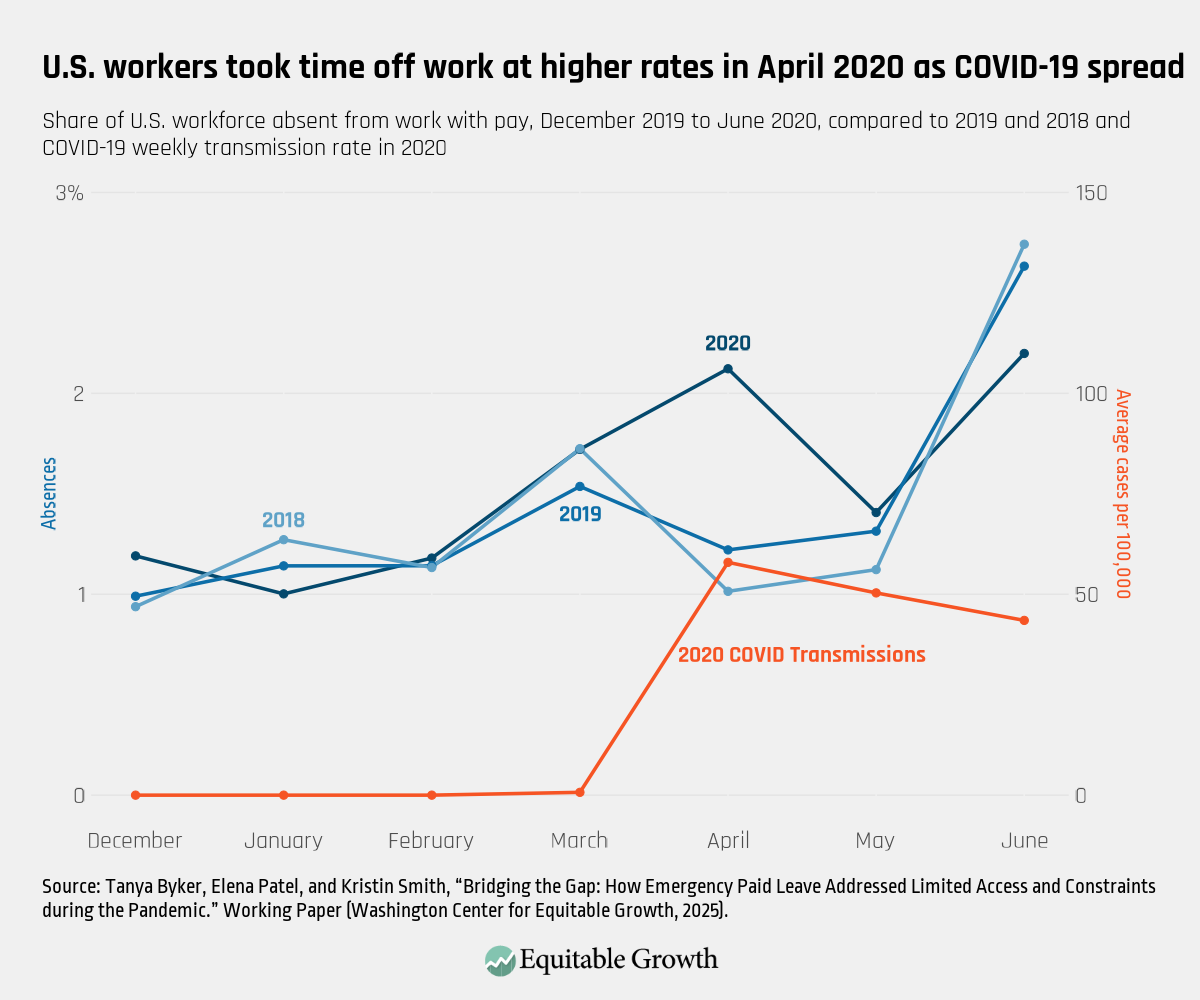
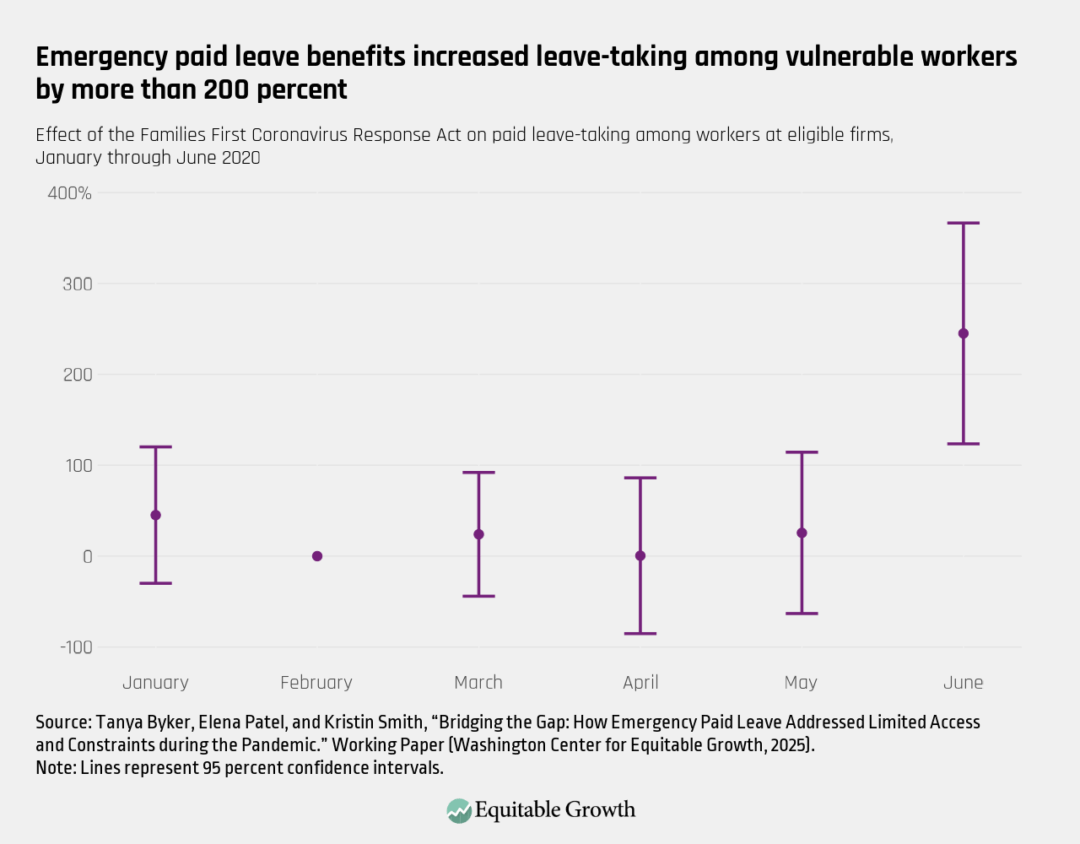


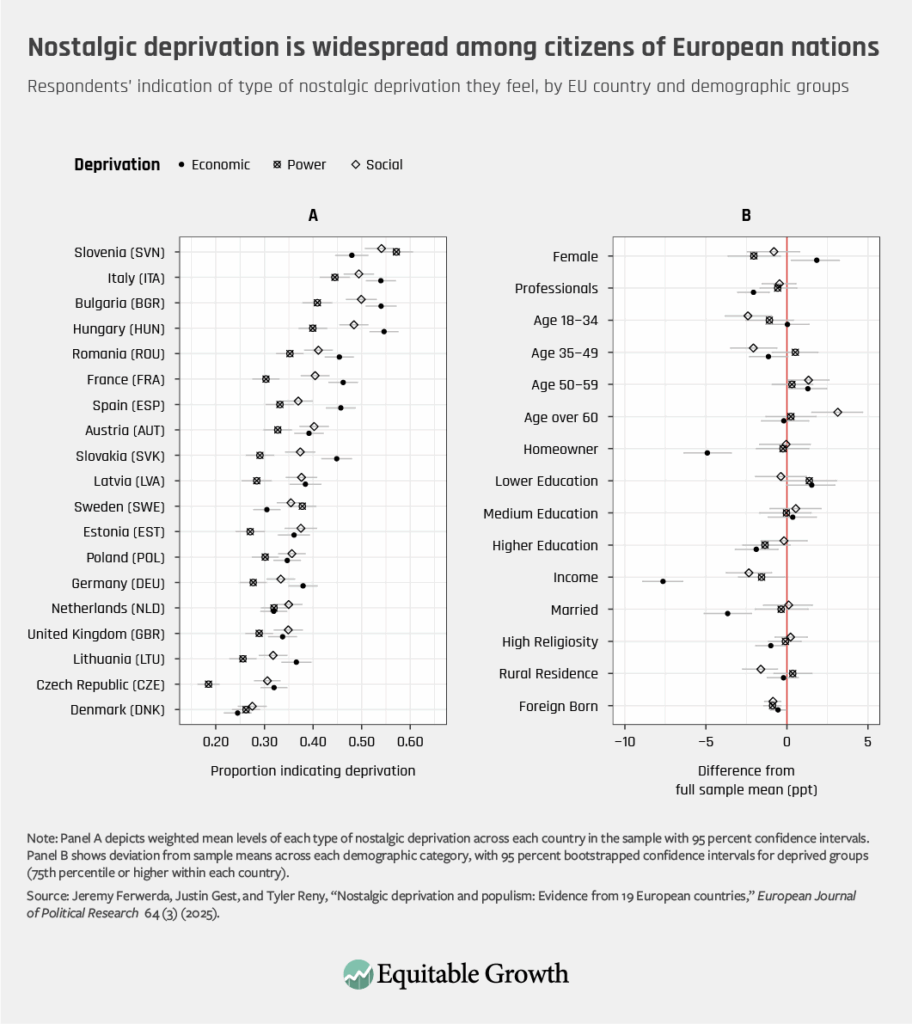
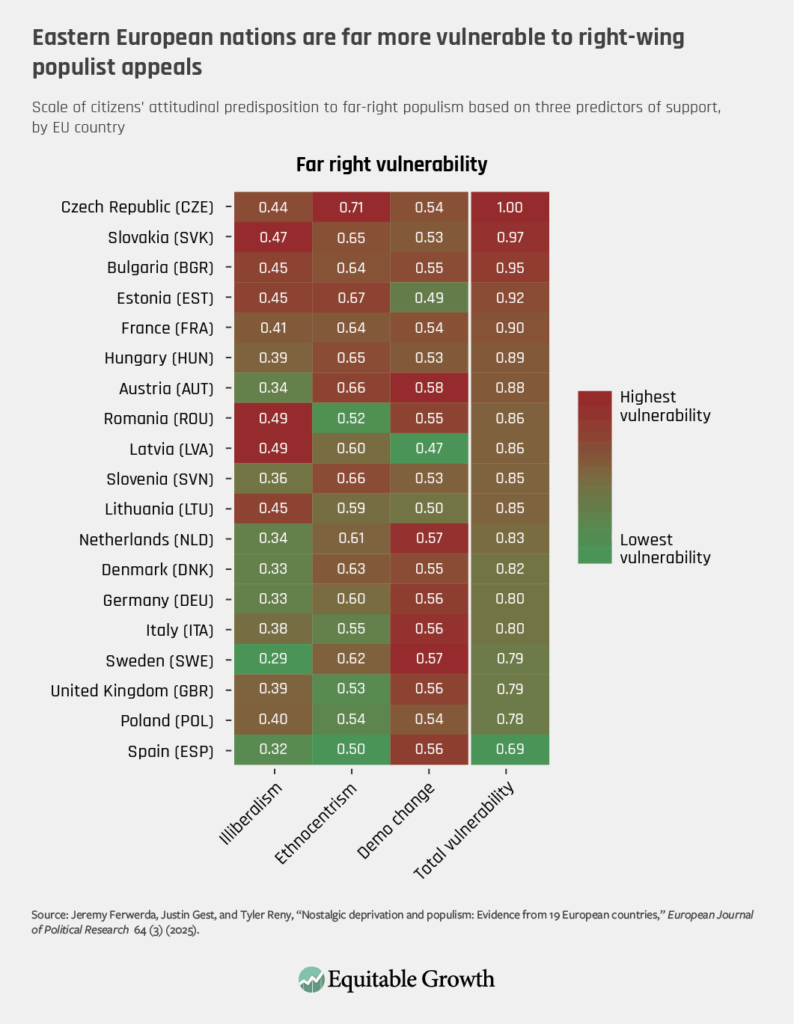
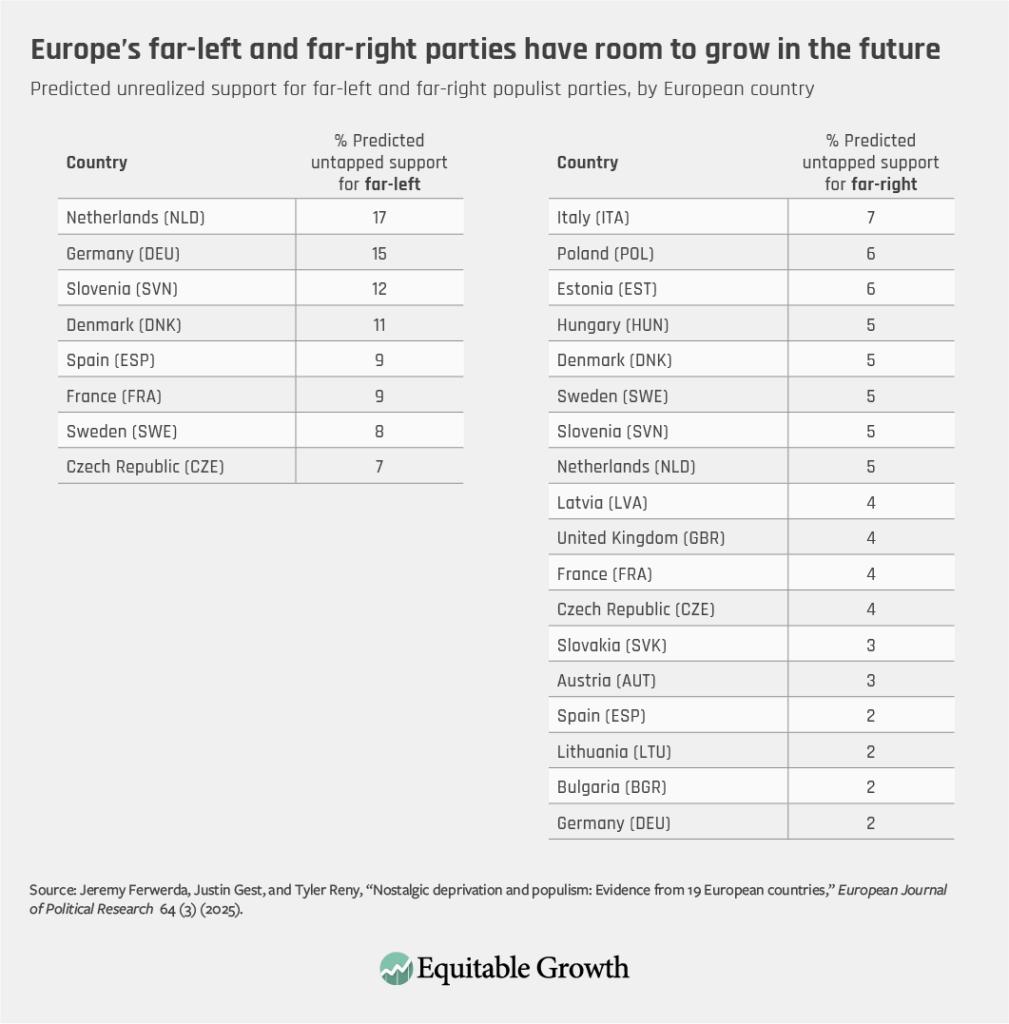

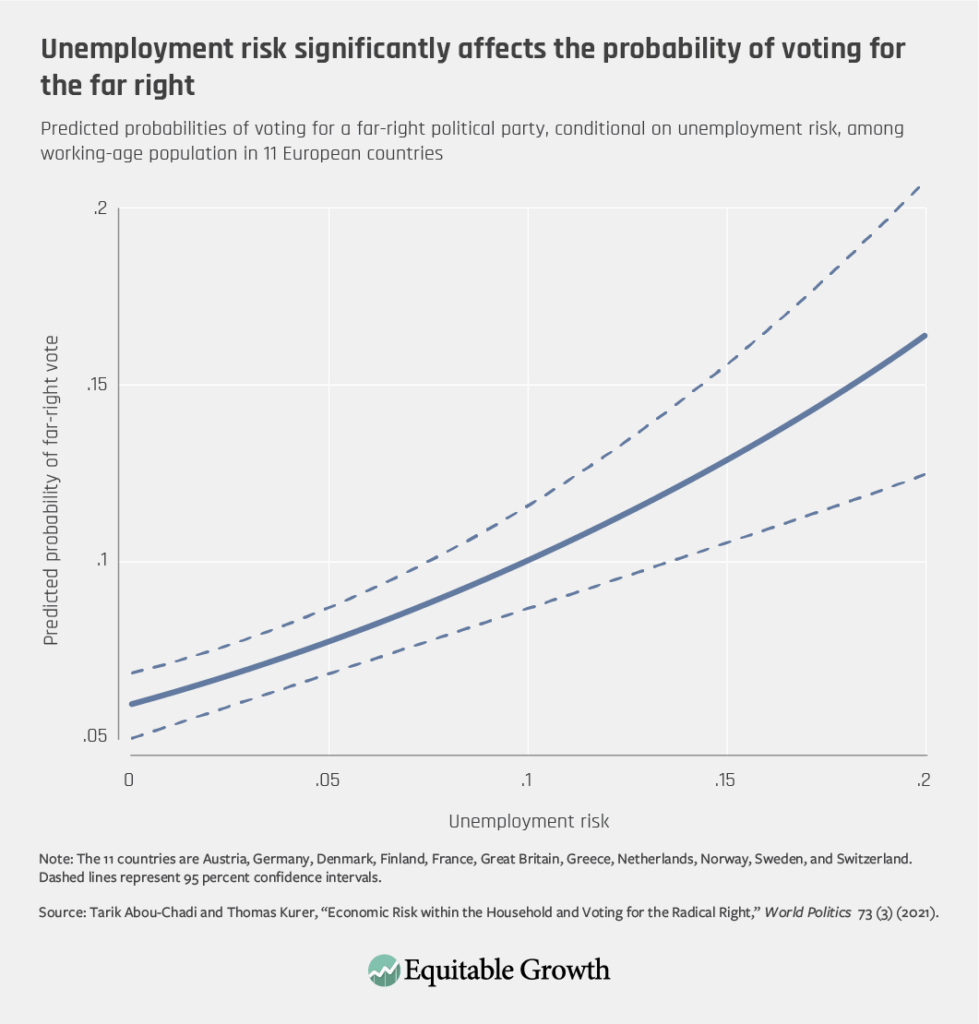

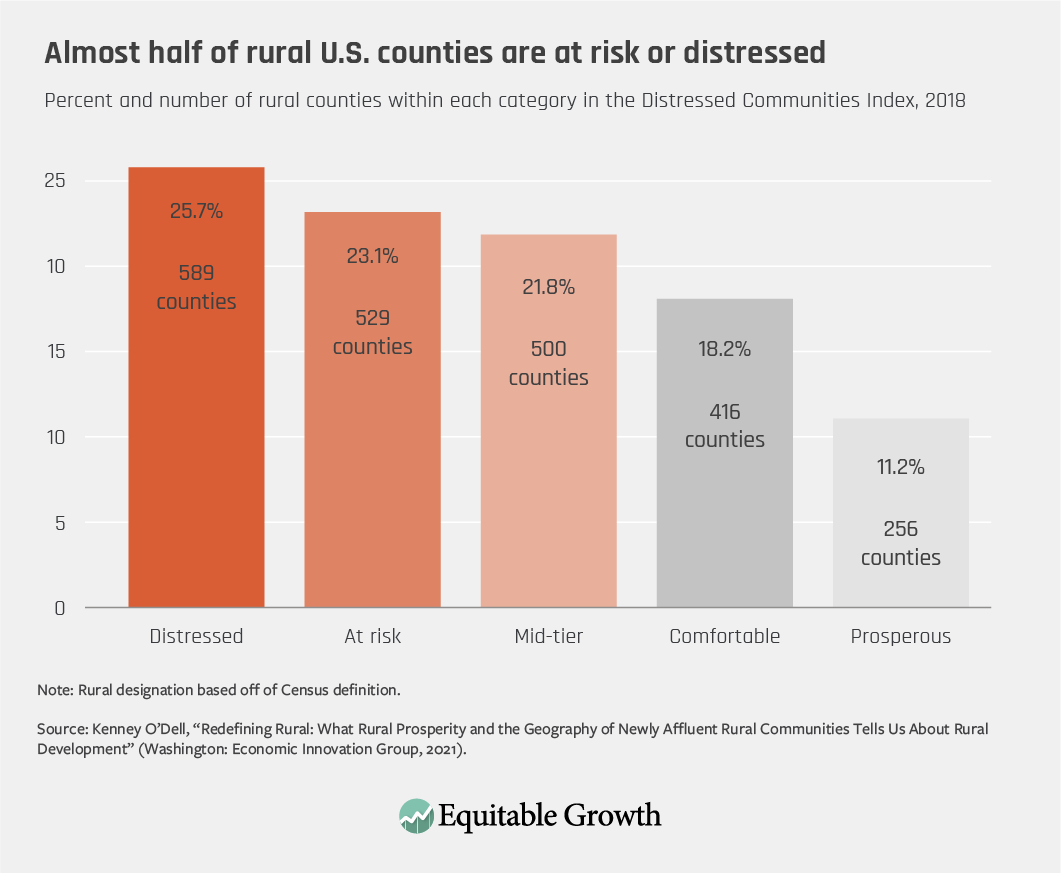

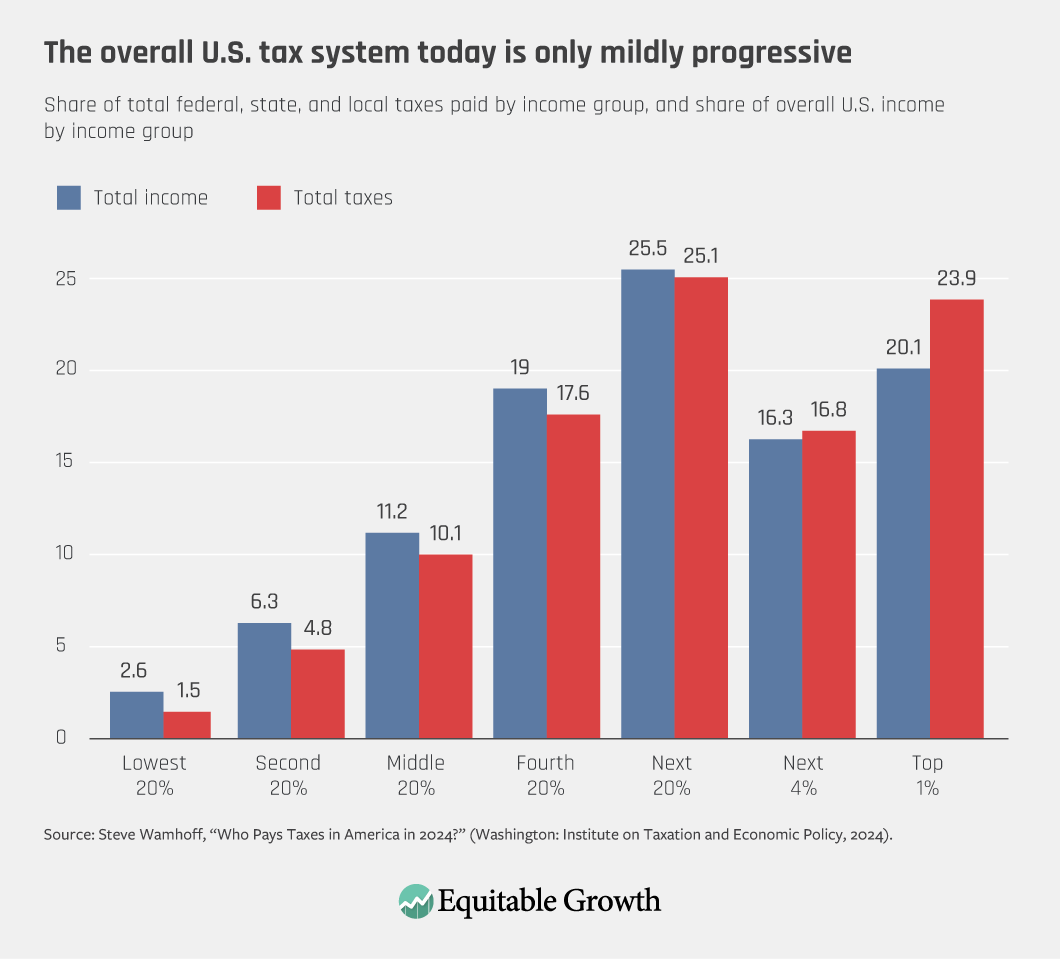
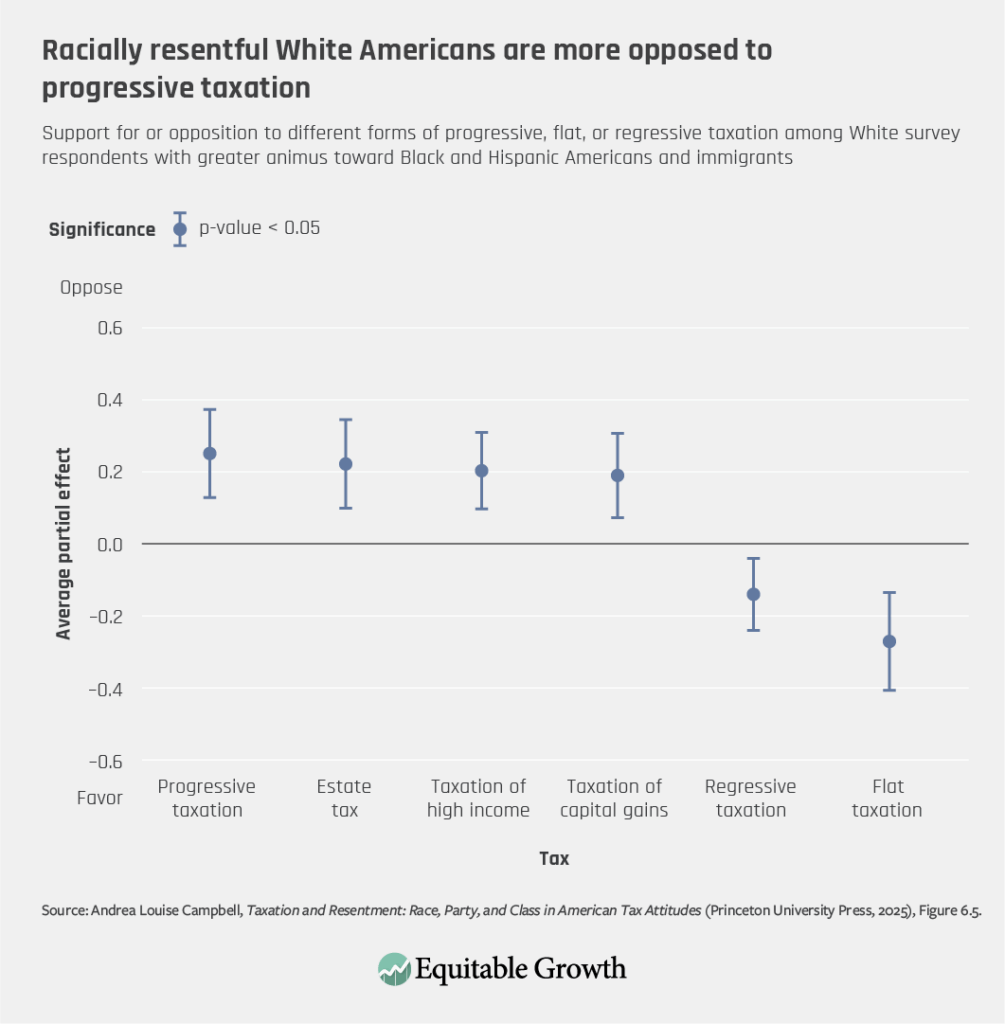


Stay updated on our latest research