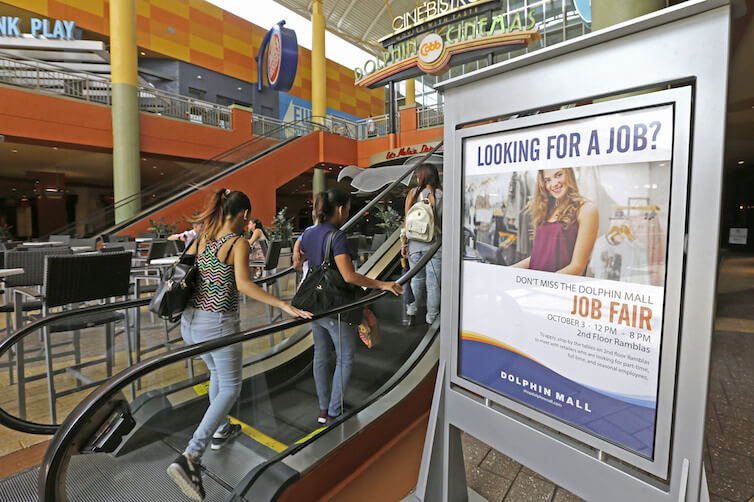
The ability to find a job and transition between jobs measures the dynamism of the U.S. labor market. When the labor market is tight and workers are mobile, they are able to find a job that best suits their skills and offers fair rewards. Equitable Growth follows determinants of job mobility to understand how dynamic the labor market is in the U.S. economy.
Featured work

Expanding eligibility for Unemployment Insurance helps low-income U.S. workers find better jobs
December 9, 2025
December 9, 2025
AI exposure by U.S. occupations and work tasks and the effect on wages
October 23, 2025
October 23, 2025
Extracting O*NET Features from the NLx Corpus to Build Public Use Aggregate Labor Market Data
October 1, 2025
October 1, 2025
Adoption of generative AI will have different effects across jobs in the U.S. logistics workforce
July 10, 2025
July 10, 2025
Reduced job turnover in small U.S. firms is an overlooked benefit of paid sick leave
July 5, 2022
July 5, 2022
Explore Content in Job Mobility308
Veterans in the U.S. labor market face barriers to success that can and should be addressed
November 9, 2018
November 9, 2018
Understanding the link between bodily autonomy and economic opportunity across the United States
July 31, 2018
July 31, 2018
Undirected migration
July 25, 2018
July 25, 2018
Parental resources and the career choices of young workers
July 25, 2018
July 25, 2018
Understanding men’s nonemployment using longitudinal data: Wage opportunities, employment dynamics, and long-term effects
July 25, 2018
July 25, 2018
Work requirements for U.S. public assistance programs don’t work
April 12, 2018
April 12, 2018
How does unconditional cash affect the labor market?
February 8, 2018
February 8, 2018
Firms matter: Where you work is important to what you earn
February 1, 2018
February 1, 2018
New data on the changing U.S. occupational structure
December 5, 2017
December 5, 2017
Explore the Equitable Growth network of experts around the country and get answers to today's most pressing questions!