Unpacking the implications of new SNAP rules as increased costs shift to states
Key takeaways
- Beginning Oct. 1, 2026, states are required to pay 75 percent of administrative costs for the Supplemental Nutrition Assistance Program, versus 50 percent when the One Big Beautiful Bill Act went into effect in 2025.
- Some states are already reacting to the heavier administrative burden imposed on them by reducing access to SNAP benefits as grocery costs continue to rise.
- What this means for growth: A reduction in SNAP benefits due to state budget constraints will have detrimental effects on families, workers, and local economies.
Overview
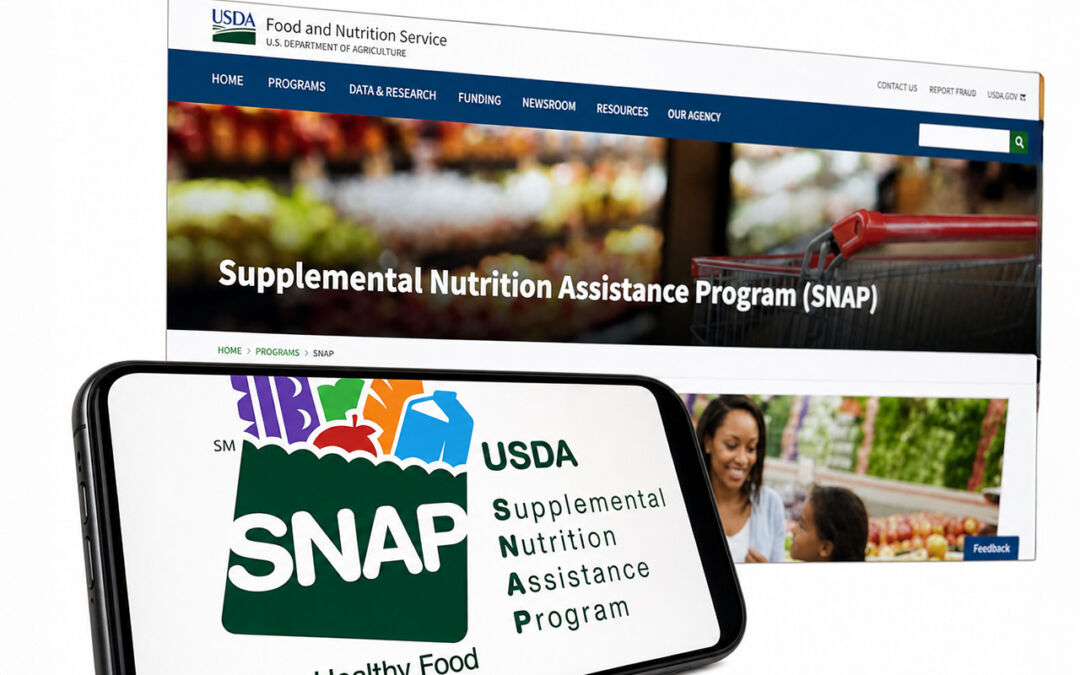
The One Big Beautiful Bill Act resulted in millions of people losing their access to the Supplemental Nutrition Assistance Program, which they rely on to purchase groceries. The new law also created heavier burdens for states, which administer the program. Beginning today, that burden gets heavier, as states are now required to pay 75 percent of SNAP’s administrative costs versus 50 percent when the law first went into effect a year ago.
This shift in paying for the administration of SNAP benefits from the federal government to state governments is only the beginning. The 2025 law also included provisions that would shift additional costs to states based on their error rates, or the percentage of payments that were made that shouldn’t have been or were made in the incorrect amount. And for the first time ever, the federal government will not pay 100 percent of benefits if the error rate exceeds 6 percent.
Because the error rate is calculated based on the average error rate from the previous 3 years, states are already curtailing benefits to limit future budget implications, reducing their citizens’ access to this critical benefit at a time when grocery costs continue to rise. We solicited comments from a group of scholars who study the Supplemental Nutrition Assistance Program closely to shed light on the implications these cuts will have on workers, families, and economic growth.
Scott W. Allard
Daniel J. Evans Endowed Professor of Social Policy at the Evans School of Public Policy and Governance
University of Washington
“Increased state administrative costs risk reduction in access to the Supplemental Nutrition Assistance Program and to program benefits, having powerful negative downstream effects across the country. We should be particularly concerned about the health impact SNAP reductions will have on children, older adults, and those with chronic health issues.
Although we instinctively expect community-based emergency food assistance programs might step in to provide food and meals to families in need, our system of emergency food assistance itself is already severely taxed and overwhelmed by rising needs driven by higher food costs in the past year. Emergency food assistance programs cannot come close to replacing lost SNAP benefits, particularly amid federal cuts to emergency food assistance funding that have occurred in the past year.
All SNAP-eligible families will be affected by program benefit reductions, but we might expect families in rural and suburban areas to have a particularly difficult time locating emergency assistance because food program capacity typically is lower in those areas compared to urban centers.”
Janet Currie
David Swensen Professor of Economics
Yale University
“Forty-two million people, or about 1 in 8 Americans, currently receive SNAP benefits. About 1 in 5 recipients are elderly. Aside from people such as the elderly, children, and the disabled, most recipients who are able to work, do work. In some occupations such as home health care workers, 1 in 6 workers rely on SNAP. A reduction in benefits due to state budget constraints will have detrimental effects on families, workers, and local economies. The Supplemental Nutrition Assistance Program helps make ends meet. There is evidence that towards the end of the month, as SNAP benefits run out, households eat less, and eat less healthy foods. And stores in areas where many people depend on SNAP will be strongly affected as their customers will be less able to buy food.”
Taryn Morrisey
Professor of Public Policy
American University
“The Supplemental Nutrition Assistance Program is a major anti-poverty program in the United States. SNAP benefits are particularly important to children. In Fiscal Year 2024, more than 7 million households with children participated in SNAP each month. Nearly 4 in 10 (39 percent) of SNAP participants were under the age of 18; 11 percent of SNAP participants were children younger than 5. A wealth of research shows that food insecurity is harmful for children’s health and other outcomes; other research shows the important role that SNAP plays in reducing food insecurity and improving children’s short- and long-term outcomes, including health care access and health.
In Fiscal Year 2024, among SNAP participating households with children, more than half (54 percent) had at least one adult with earnings.
Given what we know about the importance of SNAP to families’ resources, food insecurity, and children’s outcomes, a reduction in benefits could lead to increased hunger and food insecurity, poorer markers of children’s health, and poorer student achievement, all with cascading implications for health care, education, and other systems.”
Derek Wu
Assistant Professor of Public Policy and Economics
University of Virginia
“The Supplemental Nutrition Assistance Program reaches a broader swath of the low-income population than other non-medical, means-tested programs, such as the Earned Income Tax Credit, the Temporary Assistance for Needy Families program, or housing assistance. It also delivers fairly sizable transfers. So cuts to SNAP can be thought of as cuts to the single most important non-medical anti-poverty program in the United States. Compounding this is the cancellation of the Food Security Survey. This broader trend of shutting down critical data infrastructure should concern anyone who cares about evidence-based policymaking. For state policymakers, the consequences can be significant. It will be harder to understand how vulnerable populations are faring, identify which interventions are working, or make rigorous state-to-state comparisons. This is especially important at a time when SNAP policy is changing substantially through the One Big Beautiful Bill Act.”
James Ziliak
Carol Martin Gatton Endowed Chair in Microeconomics
University of Kentucky
“Estimates suggest that every dollar of SNAP benefits spent generates roughly $1.50 in the local economy. A reduction in benefits due to state budget constraints would therefore have negative effects on the overall health of a state’s economy.”
Did you find this content informative and engaging?
Get updates and stay in tune with U.S. economic inequality and growth!





Stay updated on our latest research