Topic
Bargaining Power
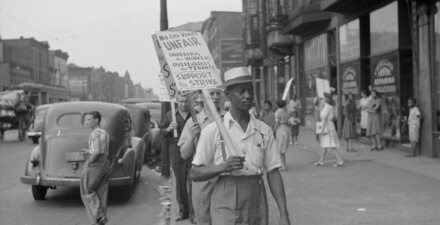
Increasing evidence demonstrates the ways in which bargaining power shapes economic outcomes. One’s economic success is not merely defined by individual characteristics such as education. Equitable Growth’s work on unions and collective action in the United States examines the ways in which institutions intersect with economic trends and individual characteristics to ensure that workers can share in the gains of the economic growth to which they contribute.
Featured work



The Rise of Populism
The political implications of bad jobs and the decline of unions







In Conversation
In Conversation with Daron Acemoglu


Executive action to spur equitable growth
Executive actions to strengthen unions and increase worker power in the United States
Connect with us!
Get in Touch
Explore the Equitable Growth network of experts around the country and get answers to today's most pressing questions!