Unbound: How Inequality Constricts Our Economy and What We Can Do About It (Invitation only)

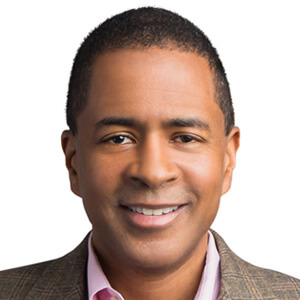
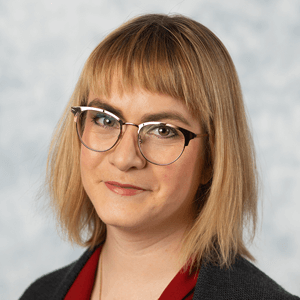
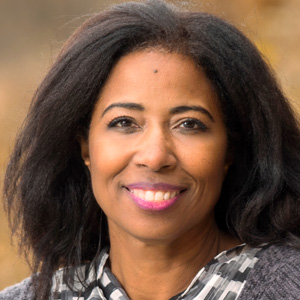
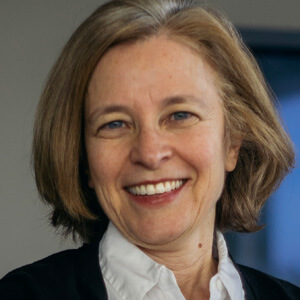
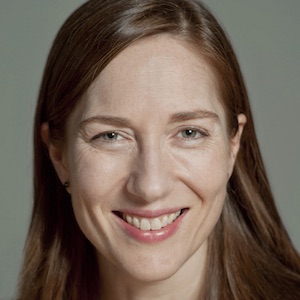
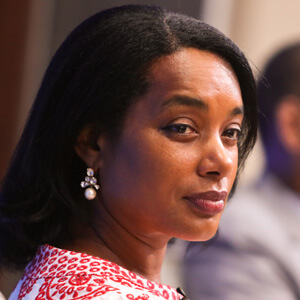
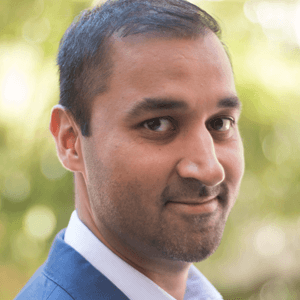
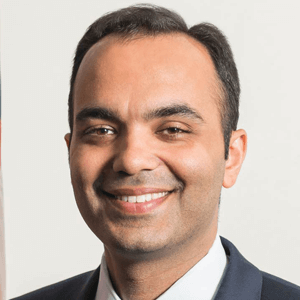
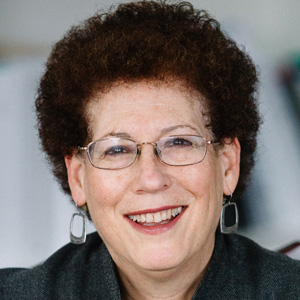
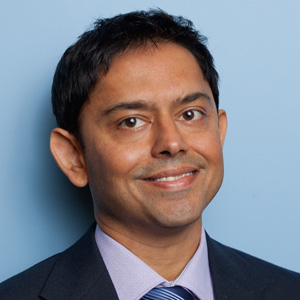
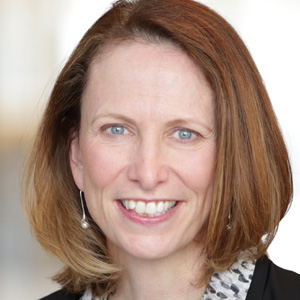
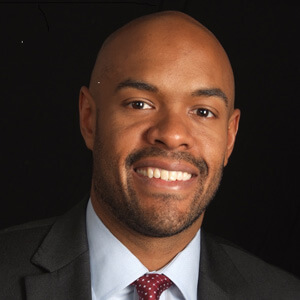
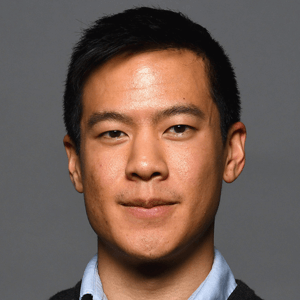
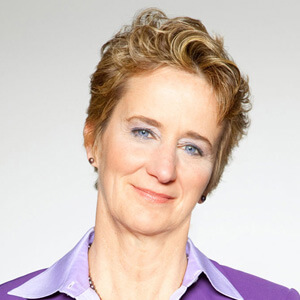
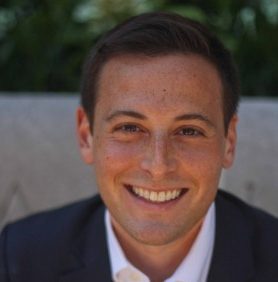
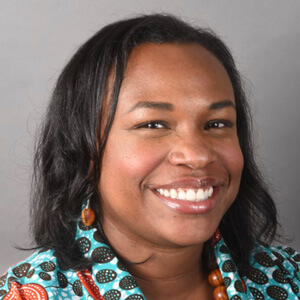
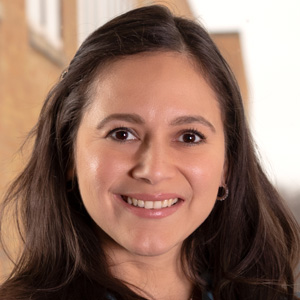
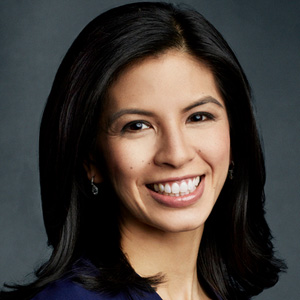
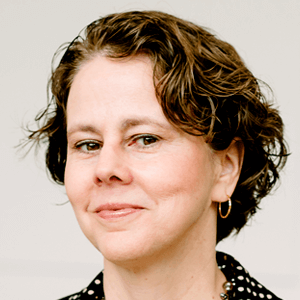
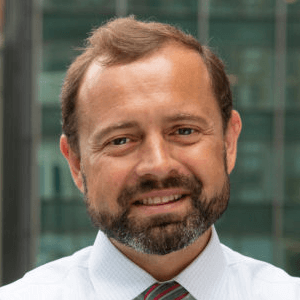
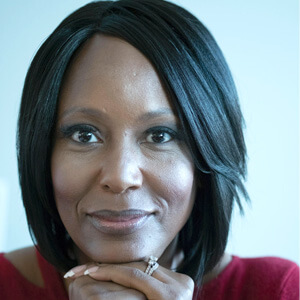
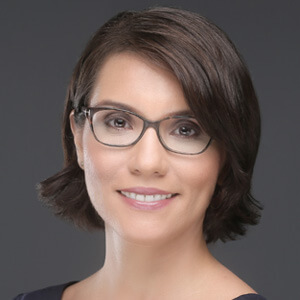
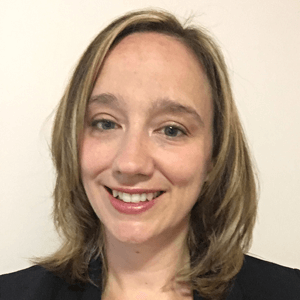
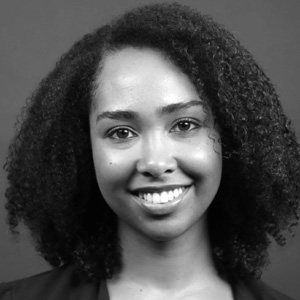
On September 18, the Washington Center for Equitable Growth hosted an installment of our Research on Tap conversation series—a space for drinks, dialogue, and debate—to celebrate the release of Equitable Growth President and CEO Heather Boushey’s book, Unbound: How Inequality Constricts Our Economy and What We Can Do About It. Boushey was joined by professors Sandra Black (Columbia University) and Atif Mian (Princeton University) and Angela Hanks (Groundwork Collaborative) for a conversation moderated by Binyamin Appelbaum (The New York Times) about how inequality obstructs, subverts, and distorts our economy and how policymakers can promote economic growth that is strong, stable, and broadly shared.

Featuring:

Sandra Black, Professor of economics and international and public affairs, Columbia University and Former Member, Council of Economic Advisers
Heather Boushey, President and CEO, Washington Center for Equitable Growth
Angela Hanks, Deputy executive director of Groundwork Collaborative
Atif Mian, Professor of economics, public policy, and finance, Princeton University
Binyamin Appelbaum (moderator), Editorial Board Member, The New York Times

Discussion highlighted the new consensus emerging in academia, which argues reducing inequality is not only fair but also key to delivering broadly shared economic growth and stability. Discussion points included:

  • Do we have to choose between equality and prosperity?
  • What have we learned about the impact of inequality on economic growth?
  • What does an economy that delivers strong, stable, and broadly shared growth look like, and what can policymakers do to get us there?
  • What does equitable economic growth mean for the future?

This event was invitation only.

View a recording of the event below:

If you have any questions, please contact events@equitablegrowth.org

Racial and Gender Wage Gaps: Overcoming Structural Barriers to Shared Growth

On July 9, the Washington Center for Equitable Growth hosted a conversation on wage gaps for women and people of color, and what we can do about it.

Wage stagnation and falling economic mobility are endemic economic problems in the United States. Their effects fall most severely on communities of color and women, who also face large wage gaps compared with white men. Key to solving wage stagnation and overall income inequality is a recognition that deeply ingrained structural forces keep many Americans from sharing in economic prosperity. This event will feature research and discussion from policy experts on the wage gaps in U.S. society.

Featured:
Heather Boushey, Executive Director, Washington Center for Equitable Growth (Welcome Remarks)
Alma Adams, Congresswoman, North Carolina’s 12th District, Chairwoman, Workforce Protections Subcommittee (Keynote)

Discussants:
Kate Bahn, Director of Labor Market Policy and Economist, Washington Center for Equitable Growth
Darrick Hamilton, Executive Director, Kirwan Institute for the Study of Race and Ethnicity; Associate Professor of Economics and Urban Policy, Ohio State University
Marlene Kim, Professor of Economics, University of Massachusetts, Boston
Maya Raghu, Director of Workplace Equality and Senior Counsel, National Women’s Law Center
Carmen Rojas, Co-Founder and CEO, The Workers’ Lab

The conversation examined intersectional wage gaps in the United States for workers of different genders, races, ethnicities, and backgrounds, and covered the following topics:

  • What are the specific wage gaps experienced by different identity groups, and why is it important to look at them through an intersectional lens?
  • Why has wage inequality among workers based on their identity been so persistent? How are historically disadvantaged groups of workers held back from sharing in the gains of economic growth?
  • Are unions equipped to promote inclusive wage increases and strengthen worker bargaining power? What other models of worker collective action are promising for boosting wages for historically disadvantaged groups?
  • What are appropriate policy responses to protect workers from harmful effects of workplace fissuring and ensure that pathways to the middle class remain accessible in the “future of work”?

For any questions, please contact events@equitablegrowth.org.

Research on Tap—New frontiers in antitrust: Pathways to a competitive economy

On May 29, Equitable Growth hosted Fiona Scott Morton and Jonathan B. Baker, academic experts on competition and former antitrust enforcers, for a conversation on what we know about rising market power in the U.S. economy and how we can fix it.

The discussion focused on critical questions at the intersection of competition policy, economic inequality, and economic growth:

  1. What does the evidence tell us about whether market power is prevalent in the U.S. economy?
  2. What does the evidence tell us about the causes and consequences of such market power?
  3. How can policymakers and the legal community address failures in antitrust and competition policy?

The event was open to the public.

If you have any questions, please reach out to events@equitablegrowth.org.

Unequal Shocks and the Amplification of Recessions (Invitation only)

The Washington Center for Equitable Growth hosted a seminar by Christina Patterson, resident scholar at Equitable Growth and Ph.D. candidate in economics at the Massachusetts Institute of Technology. Patterson presented new research on the amplification of recessions through the unequal incidence of shocks among workers. Using U.S. administrative data, she defines a mechanism—the Matching Multiplier—to capture the amplification of aggregate shocks based on the composition of worker marginal propensities to consume, or MPC. Patterson documents that earnings of high-MPC individuals are more exposed to recessions and shows, using local labor market variation, that areas with higher matching multipliers experience larger employment fluctuations over the business cycle.

This event was an installment of our monthly academic seminar series, which aims to elevate important new research on issues related to whether and how economic inequality impacts economic growth. It was hosted at our offices in Washington, DC.

For questions, please contact events@equitablegrowth.org.

Preparing for the Next Recession: Policies to Reduce the Impact on the U.S. Economy

A Hamilton Project and Washington Center for Equitable Growth policy forum

Identifying the most effective policy responses to mitigate the damaging effects of a recession can pose significant challenges for policymakers, who are often operating under intense time constraints and political pressure at the onset of an economic downturn. Historically, the U.S. has responded to recent recessions with a mix of monetary policy action and discretionary fiscal stimulus. However, since monetary policy options may be limited during the next recession, policymakers should consider adopting a range of fiscal policy measures now to help stabilize the economy when a future downturn inevitably occurs. This can be achieved with a range of fiscal policy responses aimed at expediting the next recovery through strengthening job creation and restoring confidence to businesses and households.

On May 16, the Washington Center for Equitable Growth and The Hamilton Project at the Brookings Institution will co-convene a forum to explore policy options to reduce the impact of the next recession. The forum will begin with opening remarks by Robert E. Rubin, former U.S. Treasury Secretary, followed by a fireside chat between Ben S. Bernanke, Distinguished Fellow in Residence, Economic Studies, the Brookings Institution and former Chairman of the Board of Governors of the Federal Reserve System and Christina Romer, Garff B. Wilson Professor of Economics, University of California, Berkeley and former Chair of the White House Council of Economic Advisers. The fireside chat will be moderated by Sam Fleming, U.S. economics editor and Washington deputy bureau chief, The Financial Times.

The event will also include three roundtable discussions that will explore expediting funding to states; improving the efficiency of tax cuts as a fiscal stimulus; and strengthening the social safety net. Roundtable panelists will include Jason Furman, professor of the practice of economic policy, Harvard Kennedy School; Robert Greenstein, president, Center on Budget and Policy Priorities; Jeanne M. Lambrew, commissioner, Department of Health and Human Services, State of Maine; Shoshana M. Lew, executive director, Colorado Department of Transportation; Karen Dynan, professor of the practice of economics, Harvard Kennedy School; and Lourdes Padilla, secretary, Department of Human Services, State of Maryland, among other distinguished experts and scholars.

The event will coincide with the release of a new book from the Washington Center for Equitable Growth and The Hamilton Project titled, “Recession Ready: Fiscal Policies to Stabilize the American Economy,” which offers detailed policy proposals for making current programs—including unemployment insurance, nutrition assistance, basic temporary assistance, employment subsidies, tax policy, intergovernmental grants, and infrastructure spending—more effective as automatic stabilizers.

For updates on the event, follow @HamiltonProj and @equitablegrowth, and join the conversation using #RecessionReady.

To RSVP, please contact the Brookings Office of Communications at events@brookings.edu or visit the event page.

If you are unable to attend in person, you can register to watch the live webcast here.

Agenda:

12:30 p.m. Event registration opens (lunch provided)
1:00 p.m. Welcome
Robert E. Rubin
Former U.S. Treasury Secretary;
Co-Chair Emeritus, Council on Foreign Relations
1:10 p.m. Fireside chat: A conversation with Ben Bernanke and Christina Romer
Ben S. Bernanke
Distinguished Fellow in Residence, Economic Studies
The Brookings Institution
Christina Romer
Garff B. Wilson Professor of Economics
University of California, Berkeley
Moderator: Sam Fleming
US Economics Editor,
Washington Deputy Bureau Chief
The Financial Times
2:00 p.m. Roundtable discussion: Policy options to expedite funding to states
Jason Furman
Professor of the Practice of Economic Policy,
Harvard Kennedy School
Andrew Haughwout
Senior Vice President
Federal Reserve Bank of New York
Jeanne M. Lambrew
Commissioner, Department of Health and Human Services,
State of Maine
Shoshana M. Lew
Executive Director,
Colorado Department of Transportation
Moderator: Jay Shambaugh
Director, The Hamilton Project,
Senior Fellow, Economic Studies,
The Brookings Institution
2:55 p.m. Break
3:05 p.m. Roundtable discussion: Providing direct payments to households as fiscal stimulus
Claudia Sahm
Chief, Consumer and Community Development Research Section
Board of Governors of the Federal Reserve System
Moderator: Karen Dynan
Professor of the Practice of Economics
Harvard Kennedy School
3:30 p.m. Roundtable discussion: Strengthening the safety net to reduce the effects of future recessions
Robert Greenstein
President,
Center on Budget and Policy Priorities
Lourdes Padilla
Secretary,
Department of Human Services,
State of Maryland
Gabriel Chodorow-Reich
Assistant Professor of Economics
Harvard University
Diane Whitmore Schanzenbach
Margaret Walker Alexander Professor of Human Development and Social Policy; Director, Institute for Policy Research, Northwestern University
Nonresident Senior Fellow, Economic Studies,
The Brookings Institution
Moderator: Heather Boushey
Executive Director and Chief Economist
Washington Center for Equitable Growth
4:30 p.m. Forum adjourns

Understanding support for new forms of labor representation (Invitation only)

The Washington Center for Equitable Growth hosted a seminar for Alexander Hertel-Fernandez, assistant professor of international and public affairs at Columbia University and Equitable Growth grantee. Hertel-Fernandez presented new research examining worker and management preferences for specific aspects of labor organization. This research, based on original survey data, seeks to better understand what workers want from labor organizations, including traditional unions but also alternatives being debated now and present in other countries, and how employee preferences differ across industries and occupations. Learn more about Alexander Hertel-Fernandez and his research here.

This event was an installment of our monthly academic seminar series, which aims to elevate important new research on issues related to whether and how economic inequality impacts economic growth. It was hosted at our offices in Washington, DC.

For questions, please contact events@equitablegrowth.org.

Seminar Series: Racial Stratification and Stress-Related Morbidity Among Older Americans (Invitation only)

The Washington Center for Equitable Growth hosted a seminar with Kyle Moore, Ph.D. Student at the New School and Resident Scholar at Equitable Growth. Moore presented new research investigating whether higher rates of both hypertension and inflammation among Black Americans can be explained through their higher exposure to psychosocial and economic stressors, and their limited access to economic resources. This research brings together research in epidemiology, public health, and racial stratification to understand the psychological and economic drivers of racial health disparities. Learn more about Kyle Moore and his research here.

This event was an installment of our monthly academic seminar series, which aims to elevate important new research on issues related to whether and how economic inequality impacts economic growth. It was hosted at our offices in Washington, DC. A full recording of the event is available here.

For questions, please contact events@equitablegrowth.org.

Seminar Series: Labor market impacts of universal and permanent cash transfers—evidence from the Alaska Permanent Fund (Invitation only)

The Washington Center for Equitable Growth hosted a seminar on Wednesday, November 28 lead by Damon Jones, associate professor at the University of Chicago Harris School of Public Policy, who presented new research on the labor market impact of unconditional and universal cash transfers. This research, which examines the effects of the Alaska Permanent Fund, can offer important insights relevant to ongoing debates around economic security and opportunity for U.S. families. The working paper is available here.

This event will be the latest installment of our monthly academic seminar series, which aims to elevate important new research on issues related to whether and how economic inequality impacts economic growth. It was hosted at our offices in Washington, DC.

For questions, please contact events@equitablegrowth.org.

Equitable Growth Reception, ASSA 2019

Please join the Washington Center for Equitable Growth for our reception during the ASSA Annual Meeting on Friday, January 4, 2019, from 8:00 p.m. to 10:00 p.m. for complimentary food and drinks during the 2019 ASSA Annual Meeting.

The reception is a chance to connect with other scholars, Equitable Growth staff and its academic advisors, as well as to learn about our research, grantmaking, academic programming, and policy engagement. The reception will include complimentary hors d’oeuvres and drinks.

We are grateful to the Hewlett Foundation’s “Rethinking Political Economy” initiative for generously sponsoring the reception.

Please RSVP. Friends and colleagues welcome.

For any questions, please contact events@equitablegrowth.org or 202-792-6346.

Seminar Series: Are Immigrants Returning to Their Country of Origin Because They’re Earning Less? (Invitation only)

The Washington Center for Equitable Growth hosted a seminar on Wednesday, November 28 lead by Randall Akee, Associate Professor at the University of California, Los Angeles and a Rubenstein Fellow in Economic Studies at The Brookings Institution. Akee presented new research suggesting that immigrants’ decisions to return to their countries of origin may be related to downward earnings mobility. Using novel panel data of recent immigrants to the United States in 2005-2007—data drawn from U.S. Census data linked at the individual level to IRS administrative records—Akee identifies the determinants of return migration and earnings growth for this immigrant arrival cohort.

This event was the latest installment of our monthly academic seminar series, which aims to elevate important new research on issues related to whether and how economic inequality impacts economic growth. It was hosted at our offices in Washington, DC.

For questions, please contact events@equitablegrowth.org.