Tracking new research on artificial intelligence and its impact on the U.S. labor market
Key takeaways:
- The economic effects of artificial intelligence are difficult to measure. AI and related technologies are developing rapidly, which may change their impacts on different groups of U.S. workers over time.
- Across the economics literature, the range of possible outcomes suggests that the overall impact of AI on the U.S. labor market will come from the sum of benefits and harms felt across tasks, skills, occupations, people, places, and time. Equitable Growth’s new AI research database is a searchable tool for those interested in following the evidence around this technology and its effects.
- What this means for growth: AI could foster substantial economic growth, but without deliberate policy interventions, workers might not share in those gains.
Overview
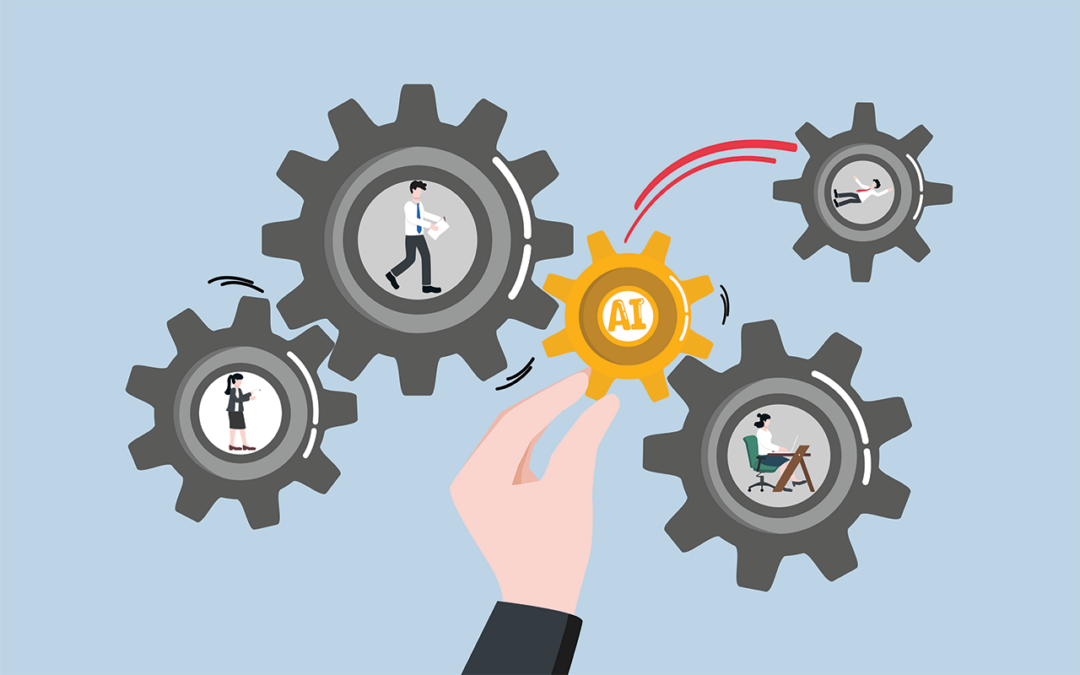
Headlines often paint extreme and dissonant pictures of the future impact of AI on the U.S. economy and labor market, with workers themselves echoing the conflicting feelings of optimism and dread expressed by industry leaders.
Academic researchers have hypothesized several ways the emerging technology could influence the labor market, including findings from researchers at the University of Maryland who document that firms investing in AI technology hire more junior workers while reducing middle-management and senior roles. In contrast, researchers at the University of Navarra find that as firms’ exposure to generative AI rose, the share of junior positions shrank, and mid-level positions increased. Collectively, the research largely anticipates changes that could well be equally capable of helping or harming the economy.
Many pressing questions pertaining to AI and the labor market do not have answers yet as the long-term effects of technology shocks can take decades to measure, making accurate data collection over time even more important. These questions can largely be broken down into three broad groups:
- Which workers are the most vulnerable to the potential negative impacts of AI? The adoption of AI could reduce wages and employment for some U.S. workers, while increasing economic opportunities for others. Tracking these trends will allow for effective support and intervention for those workers who are likely to experience negative repercussions.
- Who is likely to benefit the most from AI? Existing research provides a valuable baseline to identify winners and losers in the U.S. labor market as AI evolves and integrates into the U.S. economy. Equitable Growth’s database of AI research can help those interested in navigating this field and can inform policy and further research decisions as the evidence base grows.
- What will be the aggregate effect of AI on work, workers, and the labor market? AI has many possible uses in workplaces, with a range of potentially positive and negative impacts on U.S. workers and the labor market. The sum of those parts will determine whether the technology ultimately helps or hurts workers and the overall economy.
While we cannot yet answer these questions conclusively, Equitable Growth’s database of research on AI and work, workers, and the labor market helps users track new developments in this complex, fast-moving field. Updated quarterly, it collects and summarizes the latest research, provides context to help critically evaluate the findings, and allows users to filter and search by sector, type of study, type of data, and level of study, as well as by keyword.
As the field develops, this database will serve as a knowledge hub, helping make sense of a rapidly changing environment. Explore more here.
Did you find this content informative and engaging?
Get updates and stay in tune with U.S. economic inequality and growth!


Stay updated on our latest research